47 million-year-old owl fossil could solve a major evolutionary mystery
A fledgling owl that lived 47 million years ago in what is now Germany offers tantalizing new clues about when most of these birds became nocturnal, a new study shows. The discovery brings researchers one...
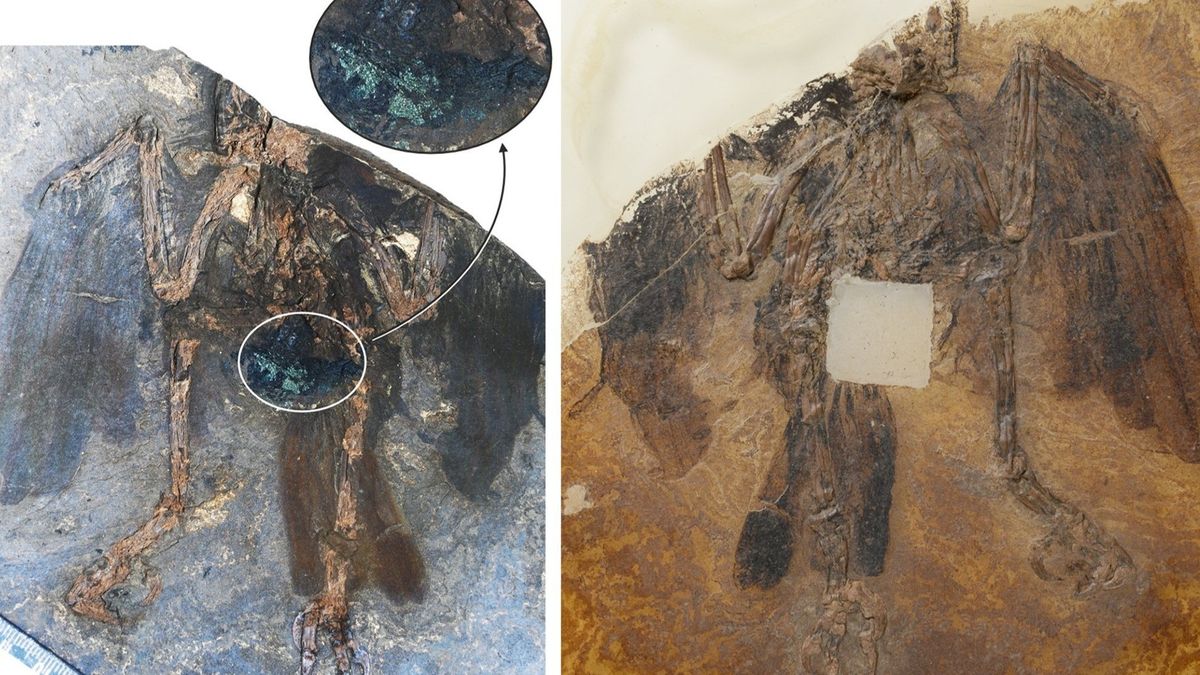
A fledgling owl that lived 47 million years ago in what is now Germany offers tantalizing new clues about when most of these birds became nocturnal, a new study shows. The discovery brings researchers one step closer to finally solving the biggest mystery about these birds. The young owl is a newly described species named Masillastrix blattophaga .
Researchers unearthed the almost perfectly preserved bird in 2025 in the Messel Pit, an ancient lake surrounded by a forest that is now the richest fossil site in the world for understanding life in the Eocene epoch (56 million to 34 million years ago). The skull is missing, but the rest of the fossil was so well preserved that researchers found the owl's last meal in its stomach: a greenish-blue, iridescent cockroach.
Get the world’s most fascinating discoveries delivered straight to your inbox.
Article text via FreeNewsAPI. Rights remain with Live Science.
Read on publisher site → Opens Live Science in a new tab