AI heart age gap linked to higher mortality — News-Medical
Artificial intelligence that estimated a person’s heart age as older than their actual age was linked to higher long-term mortality from cardiovascular or dementia-related causes. The results of the...
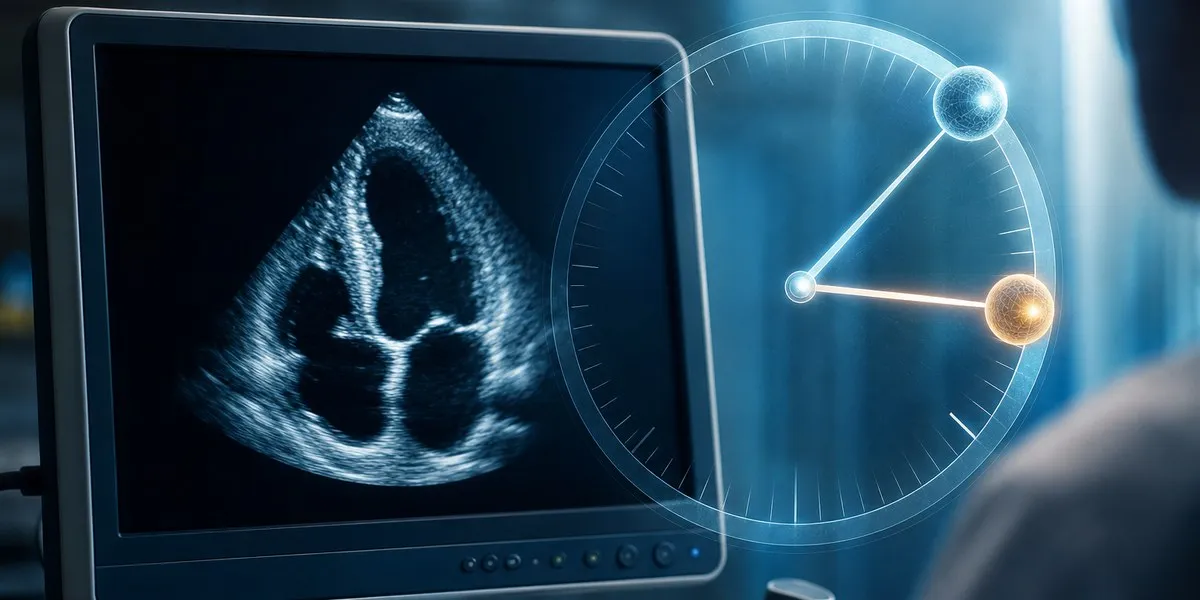
Artificial intelligence that estimated a person’s heart age as older than their actual age was linked to higher long-term mortality from cardiovascular or dementia-related causes. The results of the retrospective study were presented at the ESC Digital & AI Summit 2026, News-Medical reports .
Data from 568 participants Researchers analyzed data from 568 adults aged 50 and older from a community cohort. Participants underwent echocardiography in 2002–2004. A previously developed deep-learning model that determined predicted heart age was applied to video clips from the cardiac ultrasound examination.
The scientists calculated the heart age gap by subtracting the participant’s chronological age from the AI-predicted biological age. Data on cardiovascular disease- and dementia-related mortality were collected over 20 years. More current news is available on the UA.News Telegram channel Telegram .
Association with long-term risks Every additional five years of this gap was associated with a 61% increase in 20-year mortality from the specified causes. The hazard ratio was 1.61, and the 95% confidence interval ranged from 1.24 to 2.07. The study presenter, Dr.
Jeffrey G. Malins of Mayo Clinic in Rochester, noted that a similar association had previously been found among patients with cardiovascular disease, while data for the general population were lacking. According to him, AI markers of heart aging may become a marker for identifying people with long-term vulnerability.
The authors combined cardiovascular and dementia-related mortality for practical reasons. They believe that separate analysis of these indicators may provide more information about the relationship between cardiovascular and neurodegenerative diseases. Prospective studies in larger independent cohorts are needed to confirm the findings.
Article text via FreeNewsAPI. Rights remain with UA.NEWS.
Read on publisher site → Opens UA.NEWS in a new tab