Australia holds firm with aid dollars to Southeast Asia
A report shows the federal government gave $1.1 billion to aid projects in Southeast Asia in 2024. (Mick Tsikas/AAP PHOTOS)Australia's financial aid to Southeast Asia continues to hold steady, despite major...
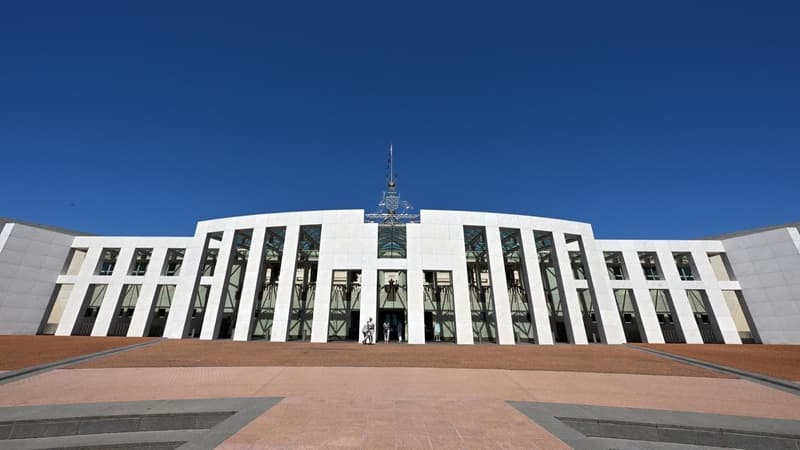
A report shows the federal government gave $1.1 billion to aid projects in Southeast Asia in 2024. (Mick Tsikas/AAP PHOTOS) Australia's financial aid to Southeast Asia continues to hold steady, despite major powers pulling back, leaving the region's development finances at a decade low.
Canberra directed $1.1 billion to aid projects in the region in 2024, a slight increase on the previous year, according to figures from the Lowy Institute's 2026 Southeast Asia Aid Map, unveiled late on Sunday. The report, which analysed the flow of $456 billion in aid to all 11 Southeast Asian nations between 2015 and 2024, showed Australia's investment bucked a trend of other traditional bilateral donors noticeably retreating from funding to the region.
Australian development assistance is expected to remain stable due to a national interest in the Indo-Pacific and overarching aid safeguarding policies, Southeast Asia Aid Map research lead Rahul Nath told AAP. Across the board, development finance fell by almost 10 per cent to $37 billion in 2024, the report found.
Australia's aid to Southeast Asia has held steady in recent years. (Susie Dodds/AAP PHOTOS) Japan represented the single largest aid reduction in 2024 at $2.2 billion mainly due to the conclusion of COVID-era loans. Aid cuts by traditional donors, such as the US, UK, Germany and Japan, are forecast to fall by another $2.6 billion in 2025, which is a worrying trend according to Dr Nath.
"It is concerning given how important aid is to the region and specifically to social protection and to helping countries essentially build resilience," he said. "We're actually quite worried about what happens to the social sector funding and also what happens to some of the poorest countries in the region that rely predominantly on grants and highly concessional loans to support their development." Lowy Institute research fellow Rahul Nath expects development banks to step up their aid. (Sarah Wilson/AAP PHOTOS) Social protections could be further threatened by shock factors such as tariffs and repercussions of the Iran war, Dr Nath said, sparking concerns about the resilience of the region's largely successful development model.
Rather than stepping into the gap left by traditional bilateral partners, China represented the second largest funding drop, with donations slumping $1.6 billion in 2024. Despite the drop, China still accounted for one-fifth of all aid to Southeast Asia in 2024, with about 90 per cent of its financing going to infrastructure.
Australia's aid to Southeast Asia has remained steady as other players pull back. (Susie Dodds/AAP PHOTOS) "We're seeing a lot of mega projects coming to an end, but also we're seeing those projects aren't being replenished," Dr Nath said. "We're also seeing southeast Asian countries really putting greater scrutiny on Chinese projects, and that might also be driving why there's been so few signings in the last few years." The gap left by world powers carved space for multilateral development banks to emerge as the region's main development partner for the first time since 2015.
"We're expecting that they're going to play a much, much larger role in the region in the years to come," Dr Nath said. That includes the 10-year-old Asian Infrastructure Investment Bank, which provided a $2.9 billion surge in funding in 2024. License this article
Article text via FreeNewsAPI. Rights remain with aapnews.aap.com.au.
Read on publisher site → Opens aapnews.aap.com.au in a new tab