Breast milk antibodies show promise against multiple respiratory viruses
Yona Tugg and colleagues show that a polyclonal secretory immunoglobulin A preparation, purified from breast milk pooled from multiple donors, neutralized respiratory syncytial virus (RSV), human adenovirus type 5, and H1N1 and H3N2 influenza A viruses in laboratory assays.
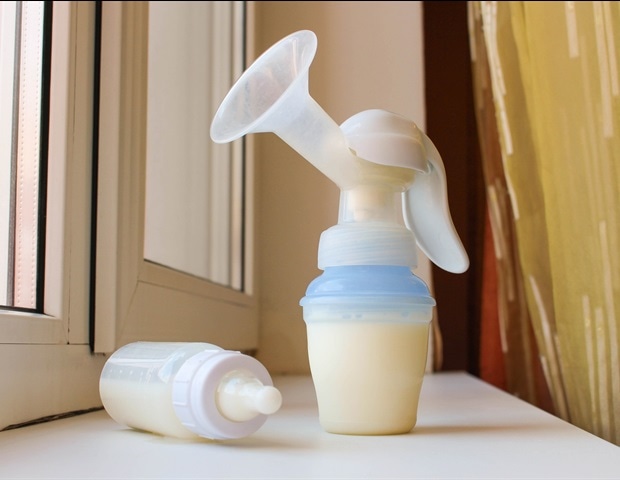
Yona Tugg and colleagues show that a polyclonal secretory immunoglobulin A preparation, purified from breast milk pooled from multiple donors, neutralized respiratory syncytial virus (RSV), human adenovirus type 5, and H1N1 and H3N2 influenza A viruses in laboratory assays. In mouse models of H1N1 influenza infection, two intranasal doses of LCTG-001, given two hours before and 24 hours after infection, reduced illness and lung damage in both immunocompetent and antibody-deficient mice.
In immunocompetent mice, lung viral loads were lower early in infection but comparable to controls later, despite less lung damage and better lung barrier integrity. The findings support further study of mucosal passive immunization for individuals with antibody deficiencies, although efficacy in humans has not been established.
LCTG-001 could also be a candidate for seasonal influenza prevention and pandemic response, the researchers suggest. Tugg et al. produced the purified IgA product from breast milk collected from 120 donors through milk banks in Indianapolis and Pittsburgh. LCTG-001 also bound proteins and virus-like particles from H5N1 avian influenza viruses in clade 2.3.4.4b, but showed little neutralizing activity against the H5N1 strain tested; protection against H5N1 was not tested in animals.
In laboratory assays, LCTG-001 inhibited influenza neuraminidase activity and stimulated human neutrophils when complexed with influenza antigens; the contribution of these activities to protection in mice remains unresolved. Source: Journal reference: Suggested Reading Terms While we only use edited and approved content for Azthena answers, it may on occasions provide incorrect responses.
Please confirm any data provided with the related suppliers or authors. We do not provide medical advice, if you search for medical information you must always consult a medical professional before acting on any information provided. Your questions, but not your email details will be shared with OpenAI and retained for 30 days in accordance with their privacy principles.
Please do not ask questions that use sensitive or confidential information. Read the full Terms & Conditions .
Article text via FreeNewsAPI. Rights remain with News-Medical.
Read on publisher site → Opens News-Medical in a new tab