Bridging the Translational Gap in Pancreatic Cancer Through Biology-First Modeling
In this GEN webinar, our expert speaker Josh Wheeler, MD, PhD, will discuss a biology-first, interpretable AI approach to understand patient tumor states and next-generation preclinical models that reproduce their biological complexity.
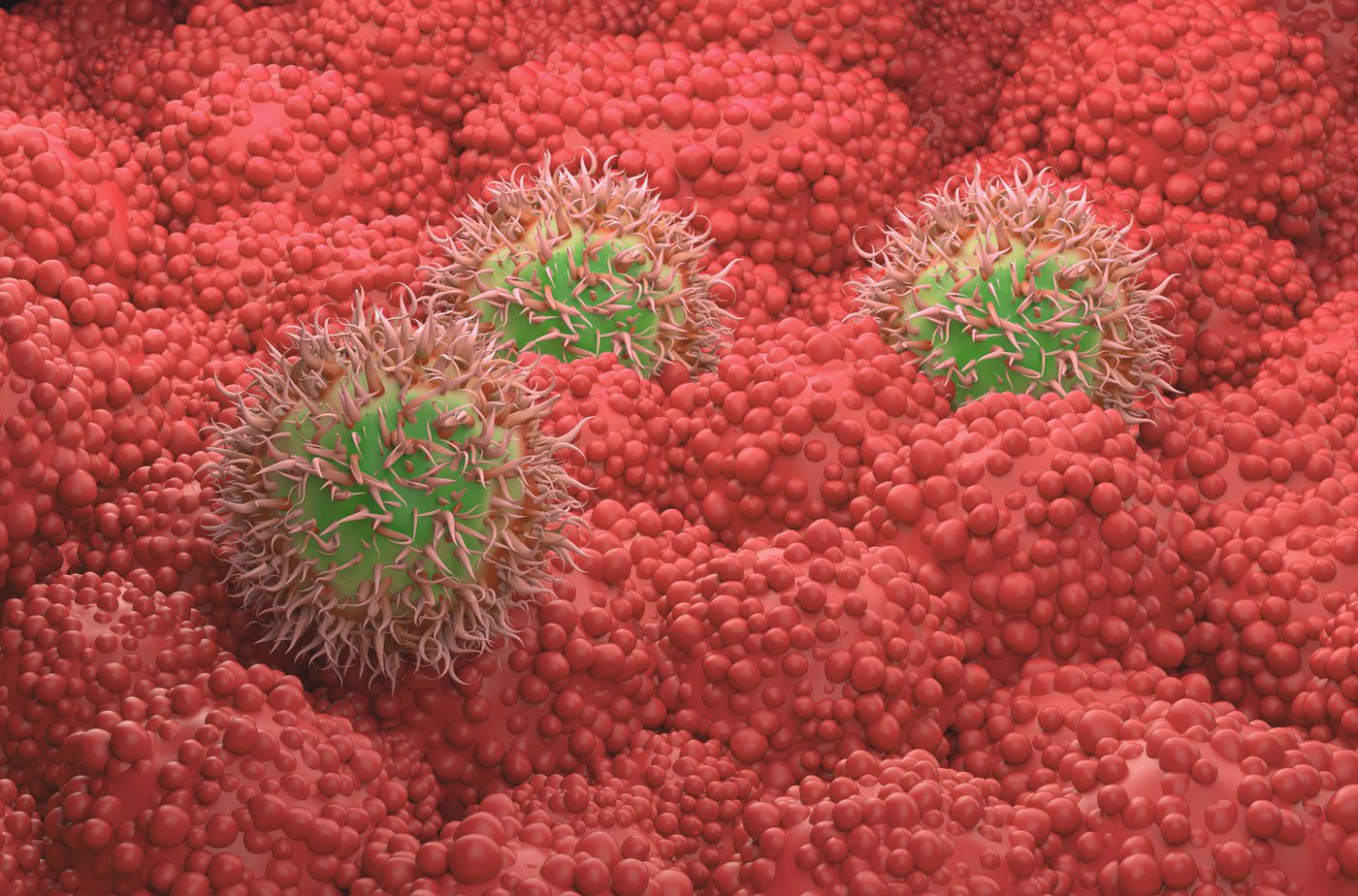
Pancreatic cancer is experiencing a renaissance in therapeutic options and improvements in patient outcomes. Accelerating therapeutic advances demands a more robust translational pipeline linking patient biology to preclinical model systems. The tumor microenvironment shapes both prognosis and therapeutic vulnerabilities, making its representation in preclinical models critical for translation.
In this GEN webinar, our expert speaker Josh Wheeler, MD, PhD, will discuss a biology-first, interpretable AI approach to understand patient tumor states and next-generation preclinical models that reproduce their biological complexity. During the webinar, he will present Genialis Supermodel, an interpretable AI foundation model that translates tumor RNA-seq into biological states that can be compared across patients, experimental models, and Inventia’s RASTRUM platform, which enables bioprinted PDAC models with increasing microenvironmental complexity through the addition of cancer-associated fibroblasts (CAFs) and T cells.
Using pancreatic cancer as a case study, he will demonstrate how increasing microenvironmental complexity moved the bioprinted models toward distinct biological states observed in patients. You will learn how CAFs drove EMT and TGF-beta/SMAD activity with loss of classical epithelial identity, while adding immune cells produced inflammatory and interferon programs.
These changes also exposed therapeutic biology not apparent in monoculture, including altered RAS/MAPK, EGFR, beta-catenin, and YAP/TEAD signaling. Key takeaways include: How technologies from Genialis and Inventia provide a framework to connect patient tumor biology with experimentally tractable model systems How patient-centered models generate therapeutic hypotheses that monoculture may miss A live Q&A session will follow the presentation offering you a chance to pose questions to our expert panelists.
Produced with support from:
Article text via FreeNewsAPI. Rights remain with Genetic Engineering and Biotechnology News.
Read on publisher site → Opens Genetic Engineering and Biotechnology News in a new tab