Busy Station Day with Bioprinting, Spacesuit Check, Robotics, and Photography
The Expedition 75 crew had a busy day on Thursday bioprinting blood vessels and trying on a spacesuit aboard the International Space Station. The orbital residents also trained to use a pair of robotic arms and set up Earth photography sessions to round out the day in low Earth orbit.
The Expedition 75 crew members had a busy day on Thursday bioprinting blood vessels and trying on a spacesuit aboard the International Space Station . The orbital residents also trained to use a pair of robotic arms and set up Earth photography sessions to round out the day in low Earth orbit.
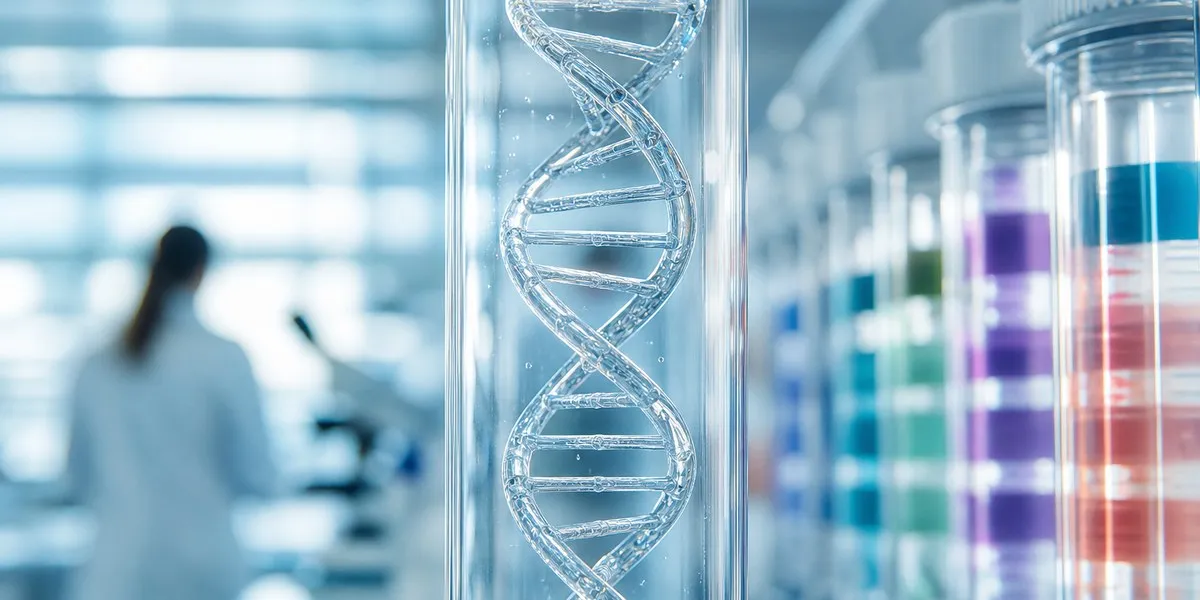
A bioprinter, also called the BioFabrication Facility located in the Columbus laboratory module , was in operation aboard the orbital outpost printing blood vessels using vascular cells. NASA flight engineer Luke Delaney kicked off the advanced research operations removing the cells from a science freezer, thawing them, then mixing the samples with a biological printing material.
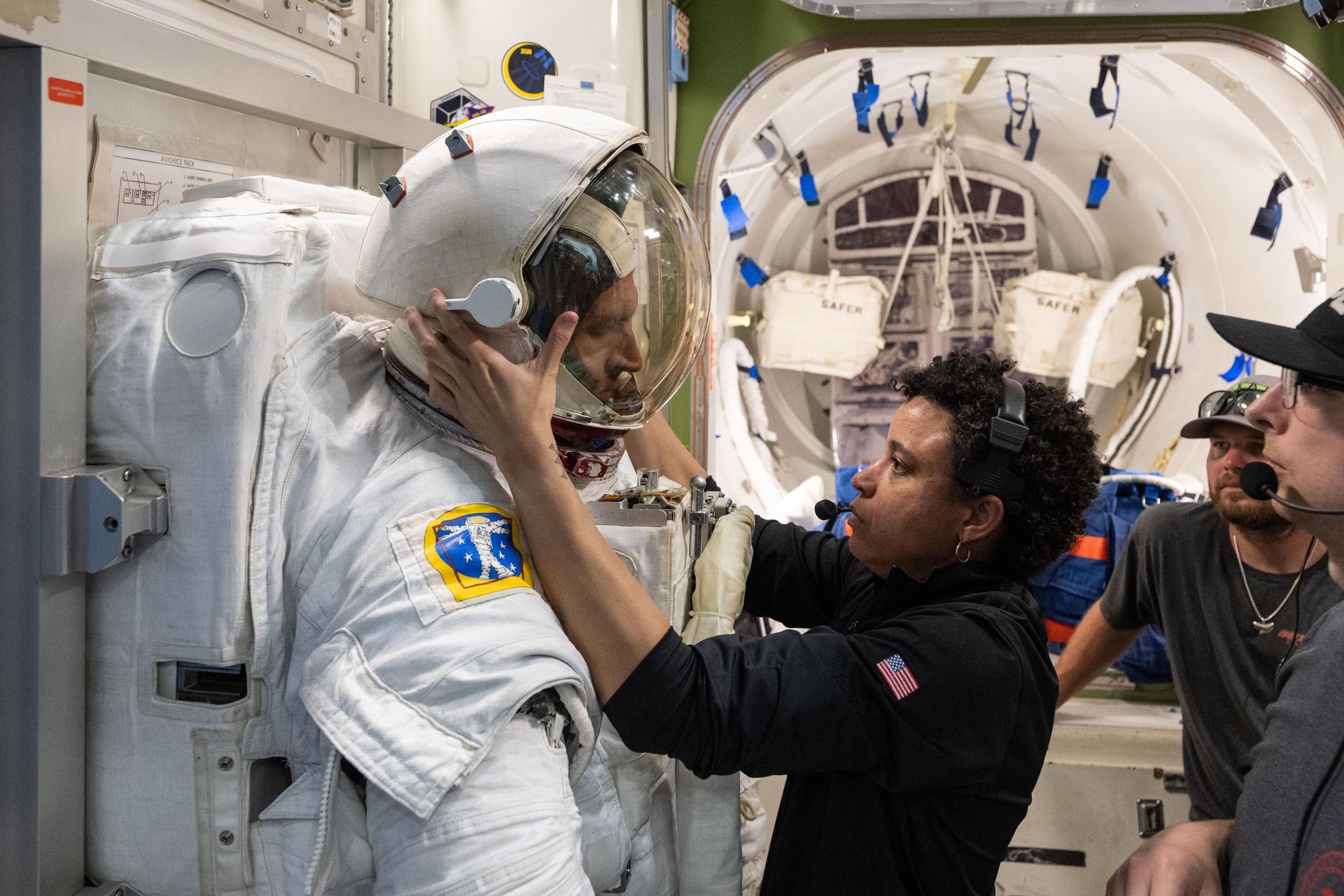
Afterward, he loaded the mixture into the bioprinter and powered on the device to begin the bioprinting process. NASA flight engineer Anil Menon wrapped up the session preserving and nourishing the newly printed blood vessel tissues inside the bioprinter for cultivation. Earlier, Menon joined fellow NASA astronaut Jessica Watkins and assisted flight engineer Joshua Kutryk of CSA (Canadian Space Agency) in the Quest airlock as he tried on a spacesuit ensuring a good fit, comfort, and systems functionality.
Spacesuit fit checks also account for body changes such as spinal elongation that take place in microgravity. Menon and Kutryk are scheduled to exit Quest together on Oct. 29 for a spacewalk to install a roll-out solar array on the station’s port-side truss structure.
Delaney trained on a computer to operate the Canadarm2 robotic arm that he will command to assist the spacewalkers during their roll-out solar array installation job next week. He and Watkins will also help the spacewalkers in and out of their spacesuits and guide them during their planned six-hour and 45-minute excursion.
Roscosmos flight engineer Sergey Teteryatnikov also conducted robotics training and practiced how to operate the European robotic arm attached to the Nauka science module . Afterward, Teteryatnikov installed and activated Earth observation gear to capture Asian and South American landmarks in visible and near-infrared wavelengths during the crew’s sleep shift.
Roscosmos flight engineer Anna Kikina pointed a camera out a Zvezda service module window and photographed lakes in eastern Africa. Kikina also assisted Teteryatnikov during his Earth camera configuration activities. Station commander Pyotr Dubrov of Roscosmos began his shift on orbital plumbing duties inside the Zvezda.
Dubrov completed his shift photographing his crew at work aboard the space station. Learn more about station activities by following the space station blog , @space_station on X, as well as the ISS Facebook and ISS Instagram accounts. Get the latest from NASA delivered every week.
Subscribe here .
Article text via FreeNewsAPI. Rights remain with NASA (.gov).
Read on publisher site → Opens NASA (.gov) in a new tab