Combination therapy overcomes immunotherapy resistance in glioblastoma
Scientists at The Wistar Institute have identified a combination treatment that overcomes two of the biggest barriers to immunotherapy in glioblastoma. In a new study published in Neuro-Oncology, the...
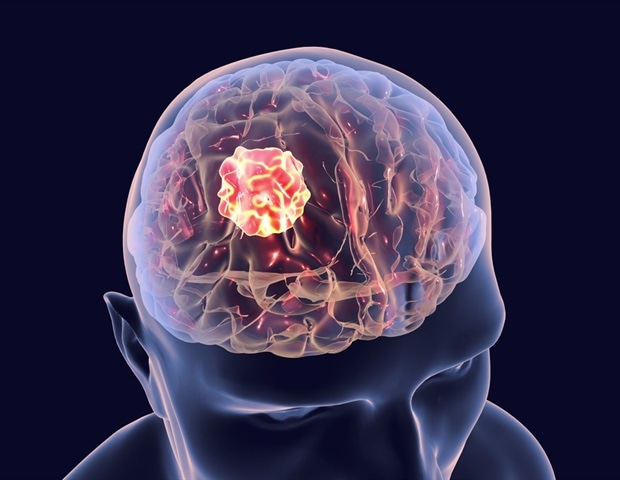
Scientists at The Wistar Institute have identified a combination treatment that overcomes two of the biggest barriers to immunotherapy in glioblastoma. In a new study published in Neuro-Oncology, the researchers showed that reprogramming myeloid cells, a type of immune cell that glioblastoma tumors co-opt to protect themselves, while simultaneously boosting cancer-fighting T cells shrank the tumors and prevented them from coming back.
Immunotherapy works in many different cancer types, but the same approach has yielded only a 10% success rate in glioblastoma. Our study shows that combination therapy is paramount to making immunotherapy work for glioblastoma patients. We need to target two different populations of cells." Filippo Veglia, Ph.D., assistant professor in the Genome Regulation and Cell Signaling Program, Ellen and Ronald Caplan Cancer Center, The Wistar Institute and senior author of the study Glioblastoma is the most aggressive and deadly primary brain cancer in adults.
Immunotherapies that have transformed care for other cancers have largely failed against it, in part because glioblastoma tumors are packed with myeloid cells-immune cells that, inside the tumor, suppress the immune system by shutting down nearby T cells that would otherwise attack the cancer.
The few functional T cells that do reach the tumors face a second problem: They become chronically active, which wears them down into a dysfunctional state called exhaustion, leaving them unable to kill tumor cells. In partnership with international collaborators, Veglia's lab first set out to uncover mechanism that causes myeloid cells inside glioblastoma tumors to become immunosuppressive.
By taking a cell-by-cell inventory of the immune cells inside tumors in a preclinical model, they discovered that the two most abundant and immunosuppressive myeloid cells in the tumor both showed strong signs of hypoxia, or oxygen starvation. In the lab, they confirmed that hypoxia was a critical factor in recruiting the myeloid cells to shield the tumor, as low oxygen alone was enough to convert these cells into potent suppressors of T cells.
To relieve hypoxia in the tumor, the researchers used a low dose of axitinib, a drug that is already used in combination with immunotherapy to treat advanced kidney cancer. In the preclinical model, axitinib reduced oxygen starvation inside the tumor and stopped myeloid cells from being reprogrammed to suppress T cells.
Continue reading
Watch a short ad to unlock the full article
The rest stays locked if you skip or close the ad early.
As a result, more T cells entered the tumor. However, axitinib alone extended median survival only modestly, from 17 to 19 days. "By reducing hypoxia, we can impair the immunosuppressive activity of myeloid cells, and this results in the accumulation of more T cells in the tumor microenvironment.
But this is not enough, because when T cells go into the tumor, they become exhausted," said. Many of the tumor-fighting T cells that accumulated after axitinib treatment were effector-like exhausted T cells: T cells that are on their way to exhaustion but have not yet reached a terminal, dysfunctional state.
In other words, these T cells are getting worn down, but still retain the ability to attack cancer. Notably, the cells were marked by the receptor 4-1BB, which indicated that they'd recognized the cancer target they wanted to attack. The team reasoned that activating 4-1BB using an immunotherapeutic approach could boost both the number and the quality of these T cells.
"The combination of axitinib and the 4-1BB agonist was Veglia far more powerful than either treatment alone," said Veglia. The combined treatments extended median survival to 42 days in murine models, with a 40% long-term survival rate. Furthermore, re-exposure to tumor cells later did not incite new tumor growth, indicating that the immune system had developed lasting memory against the cancer.
Next, Veglia hopes to test the combination in a clinical trial with glioblastoma patients. His lab also plans to experiment with pairing axitinib and CAR T cell therapy to see whether relieving hypoxia can help engineered T cells be more effective against solid tumors, where they currently struggle.
Because hypoxic tumors are among the most resistant to immunotherapy, Veglia believes the strategy could eventually extend beyond the brain to cancers such as pancreatic cancer, which is also highly hypoxic. "There are no cures for glioblastoma, so this is an opportunity to make a real difference for patients," Veglia said.
"We are also excited to see if our findings extend to other types of recalcitrant cancer and ultimately improve outcomes for these patients, too." Source: Journal reference: Ugolini, A., et al . (2026) Targeting hypoxia-driven histone lactylation in myeloid cells synergizes with CD137 agonism to expand effector-like exhausted CD8+ T cells in glioblastoma.
Neuro-Oncology . DOI: 10.1093/neuonc/noag226. https://academic.oup.com/neuro-oncology/advance-article/doi/10.1093/neuonc/noag226/8874082 Suggested Reading Terms While we only use edited and approved content for Azthena answers, it may on occasions provide incorrect responses. Please confirm any data provided with the related suppliers or authors.
We do not provide medical advice, if you search for medical information you must always consult a medical professional before acting on any information provided. Your questions, but not your email details will be shared with OpenAI and retained for 30 days in accordance with their privacy principles.
Please do not ask questions that use sensitive or confidential information. Read the full Terms & Conditions .
Article text via FreeNewsAPI. Rights remain with News-Medical.
Read on publisher site → Opens News-Medical in a new tab