EDITORIAL: Measles is something to take seriously
When Florida Surgeon General Joseph Ladapo says the measles vaccine is important, you have to believe it.We’ve strongly criticized Ladapo for his lax approach to vaccines. From COVID to chickenpox, hepatitis...
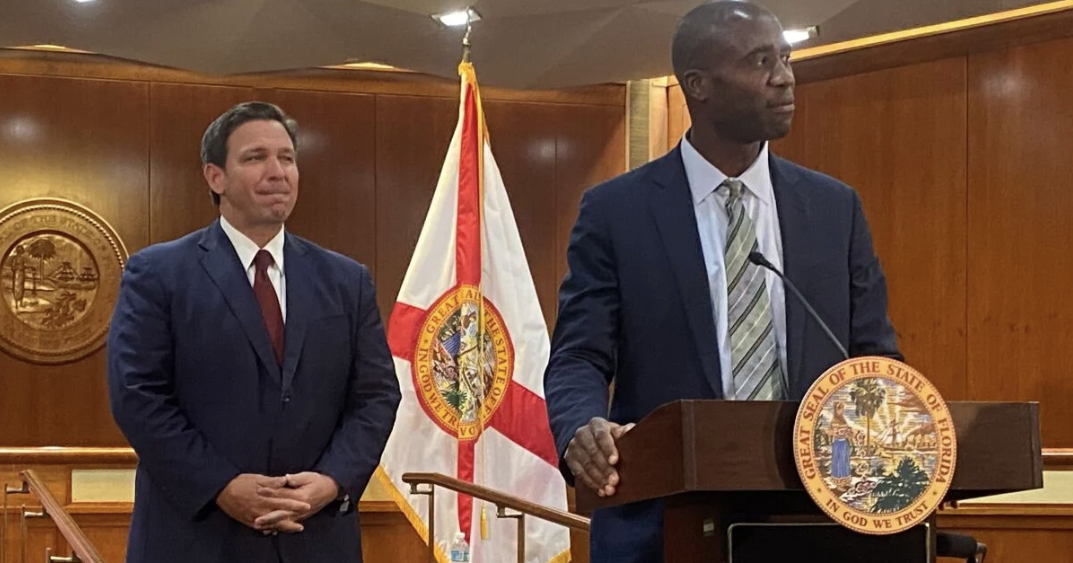
When Florida Surgeon General Joseph Ladapo says the measles vaccine is important, you have to believe it. We’ve strongly criticized Ladapo for his lax approach to vaccines. From COVID to chickenpox, hepatitis B, Haemophilus influenzae type B (Hib) and pneumococcal disease, Ladapo has led the move in Florida to scratch those vaccines from any recommended list.
But, when it comes to MMR (measles, mumps and rubella) he’s on board. Parents who are resisting MMR vaccines for their children are risking their health, maybe their lives. Stopping the spread of measles generally requires a vaccination rate of 95% of the population for what is called herd immunity.
In a published report, Johns Hopkins Bloomberg School of Public Health said 89% of kindergarten students in Florida in the 2024-25 academic year had received the measles, mumps and rubella (MMR) vaccine series. We disagreed with a move in Florida to kill the mandate requiring school-age children to be vaccinated for hepatitis B, chickenpox, Hib, and pneumococcal disease.
Any move to excuse students from taking the measles vaccine should also be ignored. Statistics from the Centers for Disease Control and Prevention show the number of cases showing up in the U.S. is alarming. The situation is so bad that the U.S. has lost its status as having eliminated the disease.
As of Nov. 12, the CDC reported 5,412 confirmed measles cases in the nation this year. Among these, 5,394 measles cases were reported by 47 jurisdictions: Alabama, Alaska, Arizona, California, Colorado, Connecticut, Delaware, District of Columbia, Florida, Georgia, Idaho, Illinois, Indiana, Iowa, Kansas, Kentucky, Louisiana, Maine, Maryland, Massachusetts, Michigan, Minnesota, Missouri, Montana, Nebraska, New Jersey, New Mexico, New York City, New York State, North Carolina, North Dakota, Ohio, Oklahoma, Oregon, Pennsylvania, Rhode Island, South Carolina, South Dakota, Tennessee, Texas, Utah, Vermont, Virginia, Washington, West Virginia, Wisconsin and Wyoming.
A total of 18 measles cases were reported among international visitors to the United States. There have been 43 new outbreaks reported in 2026, and 96% of confirmed cases (5,216 of 5,412) are outbreak-associated (3,831 from outbreaks starting in 2026 and 1,385 from outbreaks that started in 2025).
One of the largest pockets of measles cases in Florida was reported in Collier County where more than 90 students or people involved with Ave Maria University reported the illness. Measles is a highly contagious airborne disease that spreads when an infected person breathes, coughs or sneezes.
If you do not have immune protection from measles and you come into contact with a person who has been infected — or even if you enter a room where an infected person was in the previous two hours — it is highly likely you will get infected, according to an article in The 19th. According to the American Academy of Pediatrics, symptoms for measles include: fever cough runny nose red, watery eyes a skin rash Measles can cause serious complications: 1 in 20 people get pneumonia; 1 to 3 in 1,000 people get brain swelling (encephalitis); and 1 in 1,000 people die.
Deaths are rare but two babies died from the disease recently in Wisconsin, bringing the number of deaths this year to 10 in the U.S. Take the threat seriously. Have your children vaccinated.
It’s the smart thing to do.
Article text via FreeNewsAPI. Rights remain with yoursun.com.
Read on publisher site → Opens yoursun.com in a new tab