Famine risk grows in southern Somalia as food crisis deepens
Somalia faces a credible risk of famine in parts of the south through January as poor rainy seasons, conflict, displacement and high food prices strain vulnerable communities, according to FEWS NET.
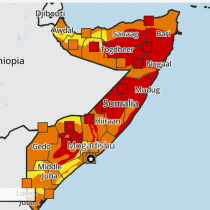
Somalia faces a credible risk of famine in parts of the south through January as poor rainy seasons, conflict, displacement and high food prices strain vulnerable communities, according to FEWS NET. Emergency-level conditions are expected in parts of Bay, Bakool and Hiiraan, as well as riverine areas and settlements for internally displaced people.
Some households are already facing catastrophic food insecurity. FEWS NET warned that severe flooding during the October-December deyr rainy season could push some areas into famine by destroying crops, displacing families and cutting access to markets and humanitarian aid. The warning comes despite 2026 Gu' crop production being estimated at 18% above last year and 32% above the long-term average.
Continue reading
Watch a short ad to unlock the full article
The rest stays locked if you skip or close the ad early.
Several major farming areas, however, recorded significant losses, while heavy rains caused post-harvest damage. Food prices remain high. In August, white maize in Qoryoley was 88% more expensive than a year earlier, while red sorghum in Baidoa was 68% higher.
Diesel prices in Mogadishu rose 34% from July to August, adding to transportation costs. Major internally displaced settlements are expected to remain in crisis or deteriorate to emergency conditions. Humanitarian food assistance is also expected to decline, averaging about 125,000 people a month through November.
FEWS NET said favorable rains could support recovery, but severe flooding could deepen food shortages and increase displacement, pushing vulnerable communities closer to famine.
Article text via FreeNewsAPI. Rights remain with Horn Observer.
Read on publisher site → Opens Horn Observer in a new tab