First-Time Hawaii Surfers Face A Risk Few Know About
Most visitors booking their first surf lesson in Hawaii worry about falling off the board, not how long they’ll spend lying on it waiting for waves. Yet Hawaii researchers have documented a rare spinal cord...
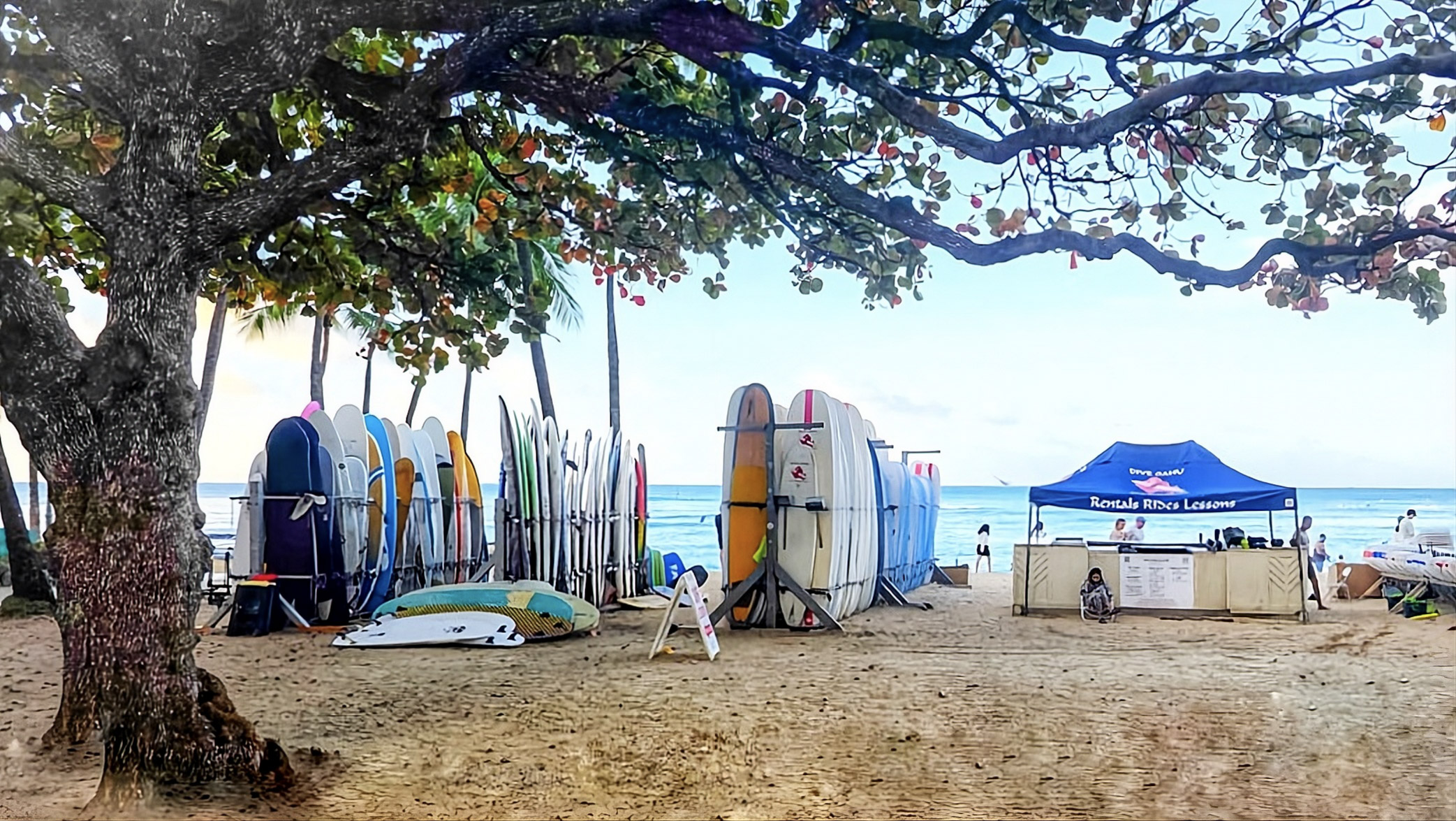
Most visitors booking their first surf lesson in Hawaii worry about falling off the board, not how long they’ll spend lying on it waiting for waves. Yet Hawaii researchers have documented a rare spinal cord injury that can develop without a wipeout or collision, potentially from spending too long face down with the back arched.
Even the gentle waves of a beginner surf lesson in Waikiki don’t eliminate that concern. Brock Kelly, a 24-year-old fitness entrepreneur from Mississippi, was injured while surfing during a work trip to Hawaii on November 6, 2026. He says he was diagnosed with surfer’s myelopathy, a rare spinal cord injury that left him paralyzed from the waist down.
His family’s fundraising statement says they remain hopeful he will recover, although the outcome is uncertain. We don’t know whether Kelly was a beginner, taking a lesson, or surfing at any particular beach. But his diagnosis draws attention to research at Honolulu’s Queen’s Medical Center, where doctors have studied this unusual injury for more than two decades.
What Hawaii researchers found. In a major 2012 study published in Neurology , Queen’s Medical Center researchers reviewed 19 patients treated for surfer’s myelopathy over a decade. All were novice surfers, and 17 had never surfed before.
Every patient reported sudden lower back pain, followed by numbness and paralysis affecting both legs, progressing over just 10 to 60 minutes. A 2025 study involving Queen’s Medical Center and the University of Hawaii examined another 11 patients whose symptoms developed during or shortly after their first surf lesson.
None reported hearing about surfer’s myelopathy or being warned about it by their instructors. Seven of the ten who provided detailed positioning histories said they had spent more than 45 consecutive minutes lying face down with their backs arched. That newer research, presented at a medical conference, involved a small group of injured patients, not a survey of Hawaii surf schools.
It cannot show how often instructors warn about injury or the likelihood of injury during an individual lesson. The condition is still exceptionally rare. In a Hawaii Department of Health presentation , Dr.
Stacy Brown of Queen’s Medical Center explained that fewer than 100 cases had been described in medical literature over roughly two decades. That doesn’t establish actual incidents, but it puts the rarity into perspective. The unexpected danger of waiting for a wave.
Think about what happens during a typical beginner surf lesson. Much of the time isn’t spent riding waves, but paddling, waiting, and preparing for the next attempt. Beginners often remain on their stomachs with their heads and upper bodies raised, while experienced surfers are more likely to sit upright between waves.
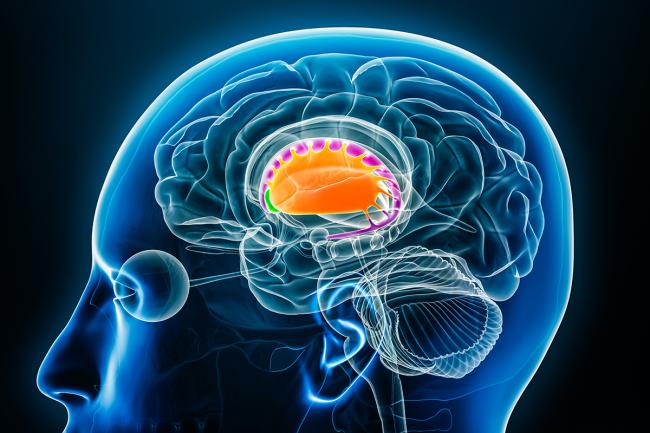
Researchers suspect that prolonged arching of the back can interrupt blood flow to the spinal cord, producing an injury resembling a spinal stroke. The 2025 study included one patient whose imaging showed blood flow through an artery supplying the spinal circulation disappearing when the back was hyperextended.
Still, researchers haven’t established that every case develops this way. A 2017 medical review also described patients whose symptoms began while attempting to stand on their boards. Repeated back movements may contribute in some cases, and there’s no established time limit beyond which a particular position becomes dangerous.
Unlike the powerful currents that have swept even experienced swimmers out at Hawaii beaches , this injury doesn’t depend on dangerous surf conditions. Someone taking a beginner lesson in Waikiki’s generally gentler waters could spend the same extended time with their back arched.
Researchers haven’t established an injury rate for Waikiki or any particular beach. When ordinary back pain becomes an emergency. The first warning can feel like ordinary lower back pain.
Anyone trying an unfamiliar physical activity might dismiss an ache as a strained muscle, particularly after spending time paddling and balancing on a surfboard. With surfer’s myelopathy, however, that pain can progress rapidly to tingling, numbness, leg weakness, difficulty walking, or problems urinating.
In the Department of Health’s educational video, a young man named Brandon describes developing sharp back pain while surfing in 2021. He made it to shore, where the pain subsided, but subsequently lost sensation below his waist. Researchers recommend that first-time surfers stop immediately if they develop new back pain rather than trying to work through it.
If dangerous symptoms appear, emergency medical evaluation is necessary, even without a fall or obvious injury. Recovery varies considerably. Some patients regain their neurological function, while others experience lasting paralysis or bladder problems.
The severity of the initial spinal cord injury appears to be an important predictor of recovery, and no treatment has been proven to guarantee restoration of function. What to ask before a surf lesson. We’ve previously covered Waikiki surfers offering visitors free introductory lessons , including people who never imagined themselves riding a wave.
For anyone learning to surf, knowing what to do between waves may be as important as learning how to stand up. Some Hawaii surf businesses already warn about surfer’s myelopathy. Lahaina Surf Shack, which lost its shop in the 2023 fires but continues offering rentals and lessons, specifically identifies the condition in its liability waiver .
The waiver advises students to sit on their boards while waiting for waves, pace their time in the water, and leave if they notice back pain, tingling, or weakness. That shows that some operators are addressing the condition, although we don’t know how consistently those precautions are explained across Hawaii surf schools.
Visitors booking their first lesson can ask instructors how to position themselves while waiting, when to sit upright, and what symptoms mean it’s time to reconsider. These are clear precautions recommended by medical researchers, although none have been proven to eliminate the risk entirely.
If you’re new to surfing, what was your experience like? Did you receive any instruction to sit on your board? Lead Photo Credit: © Beat of Hawaii at Waikiki Beach.
By Rob and Jeff, Beat of Hawaii. Some of Hawaii’s most meaningful parts are the ones visitors walk right past without knowing they are there. We’ve spent nearly 20 years finding them firsthand for BOH as full-time Hawaii residents reporting on travel, culture, and island life, and telling you what they mean for your trip.
Join us → Get Breaking Hawaii Travel News
Article text via FreeNewsAPI. Rights remain with Beat of Hawaii.
Read on publisher site → Opens Beat of Hawaii in a new tab