Godongwana makes big announcements on fuel relief, oversight of municipalities, fiscal anchor
Finance Minister Enoch Godongwana delivered the 2026 Medium-Term Budget Policy Statement (MTBPS) on Wednesday; which outlines the fiscal framework, spending cuts, and the outlook leading into the 2027/28...
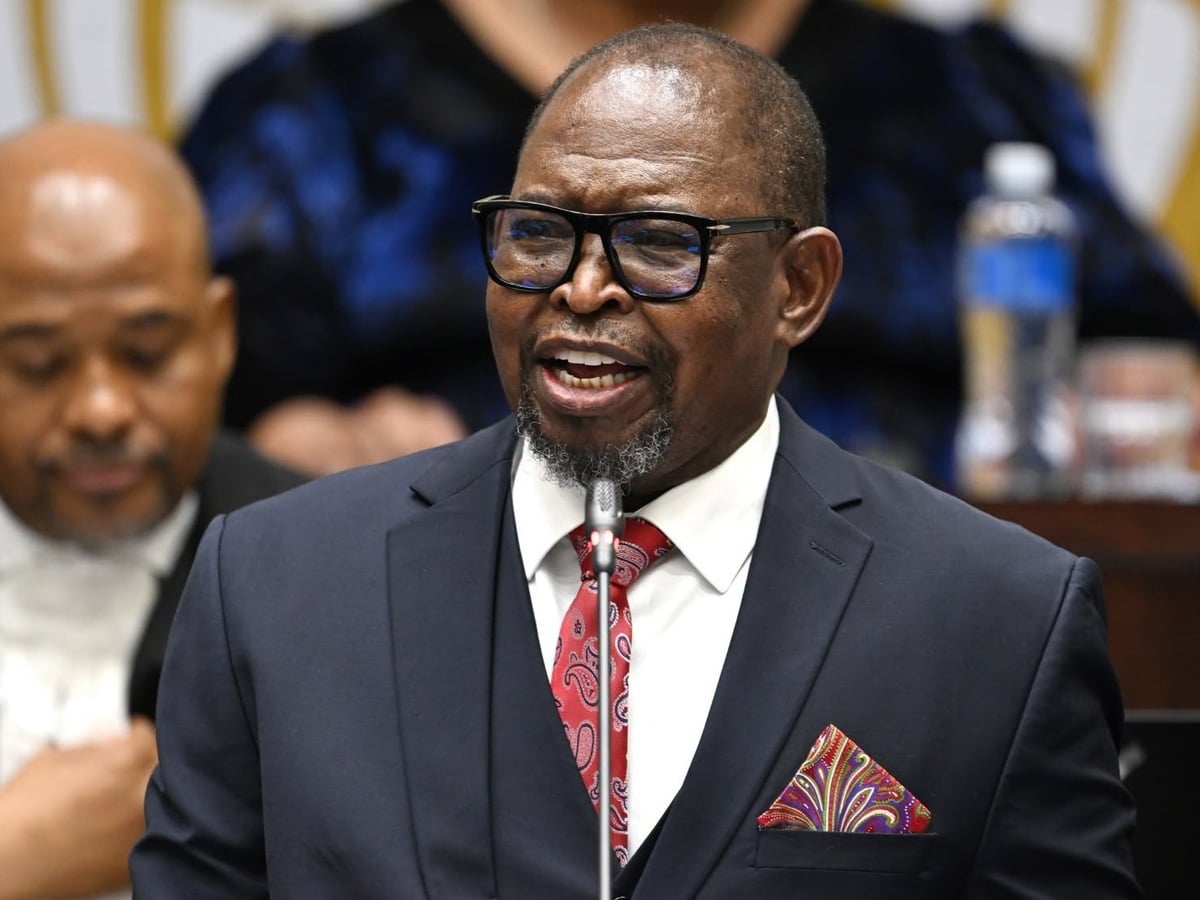
Finance Minister Enoch Godongwana delivered the 2026 Medium-Term Budget Policy Statement (MTBPS) on Wednesday; which outlines the fiscal framework, spending cuts, and the outlook leading into the 2027/28 Budget to be presented in February. The "Mini Budget" contained some good news for consumers and proposed changes in legislation to strengthen South Africa's fiscal credibility as well as the financial management of municipalities.
Stephen Grootes gets some insight from Duncan Pieterse, Director General of National Treasury. Fuel Levy Relief Godongwana announced that the fuel levy will be reduced by R3 per litre for diesel and R1.50 per litre for petrol from 4 November up until 1 December 2026. The relief will continue at a lower amount until 5 January 2027.
The diesel levy will be reduced by R1.50 per litre and the petrol levy by R1 per litre. He explained how these measures, amounting to a fiscal cost of R10 billion in support, will help ease cost of living pressures without compromising the sustainability of the budget. Treasury has always maintained that fuel levy relief makes sense for them, Pieterse says.
"It's good for households; it's good for consumption. It helps to lower inflation. provided that it can be done in a fiscally neutral manner, because the costs associated with fuel levy relief that becomes more permanent and therefore no longer meets the test of fiscal sustainability can be quite devastating for the overall fiscal credibility." If pressure remains on oil prices going forward, he says, the key test will be whether fiscal balances allow Treasury to intervene again in a manner that doesn't deviate from their fiscal targets.
"That is something we will continue to evaluate as the (Middle East) conflict continues." Fiscal Anchor To safeguard the gains made in terms of the budget deficit, government has released draft fiscal anchor legislation for public comment. Godongwana said the deficit will now narrow to 4.3 per cent of GDP this year compared to the 4.5 per cent forecast at the time of the Budget.
By 2030, they expect to see the deficit falling to 2.5 per cent of GDP. The proposed legislation sets out fiscal sustainability as a standard into the Public Finance Management Act. However, instead of a rigid numerical rule, it requires each Administration to commit to its own fiscal objectives, which it then reports against at every Budget.
Pieterse note that many of the countries that do have numerical targets, regularly break them, which is not good for fiscal credibility. "This, of course, doesn't mean that a new administration can't choose a numerical target... but we are giving them that flexibility and making sure that legal provisions exist so that can happen in the future." Municipal Finance Reforms Godongwana announced the publication of an amended Municipal Finance Management Act for public comment to address weak financial management and strengthen oversight of municipalities.
The changes focus on funded budgets, improved revenue management, clearer accountability and earlier intervention when municipalities experience financial distress. Strengtheing the overisght of councils includes, bringing National Treasury into CFO apointmens at municipalities, says Pieters.
They are also introducing mechanisms to hold municipal officials and political office bearers more personally liable for unauthorised, irregular, fruitless and wasteful expenditure. Scroll up to the audio player to listen to the full conversation with the DG of National Treasury
Article text via FreeNewsAPI. Rights remain with EWN.
Read on publisher site → Opens EWN in a new tab