How Functional Foods Deliver Bioactive Compounds and Support Gut Health
Functional foods use delivery systems such as encapsulation, lipid carriers, and hydrogels to protect bioactive ingredients and control their release during digestion. These technologies may improve nutrient availability, but human studies are needed to establish their health benefits and long-term safety.
Introduction What are functional foods? How advanced food delivery systems protect bioactives How functional foods interact with gut microbes Functional foods and disease prevention Challenges and future directions Conclusions References Further reading An ingredient's journey through digestion can shape its biological effects, prompting scientists to rethink how foods carry vitamins, polyphenols, and beneficial microbes.
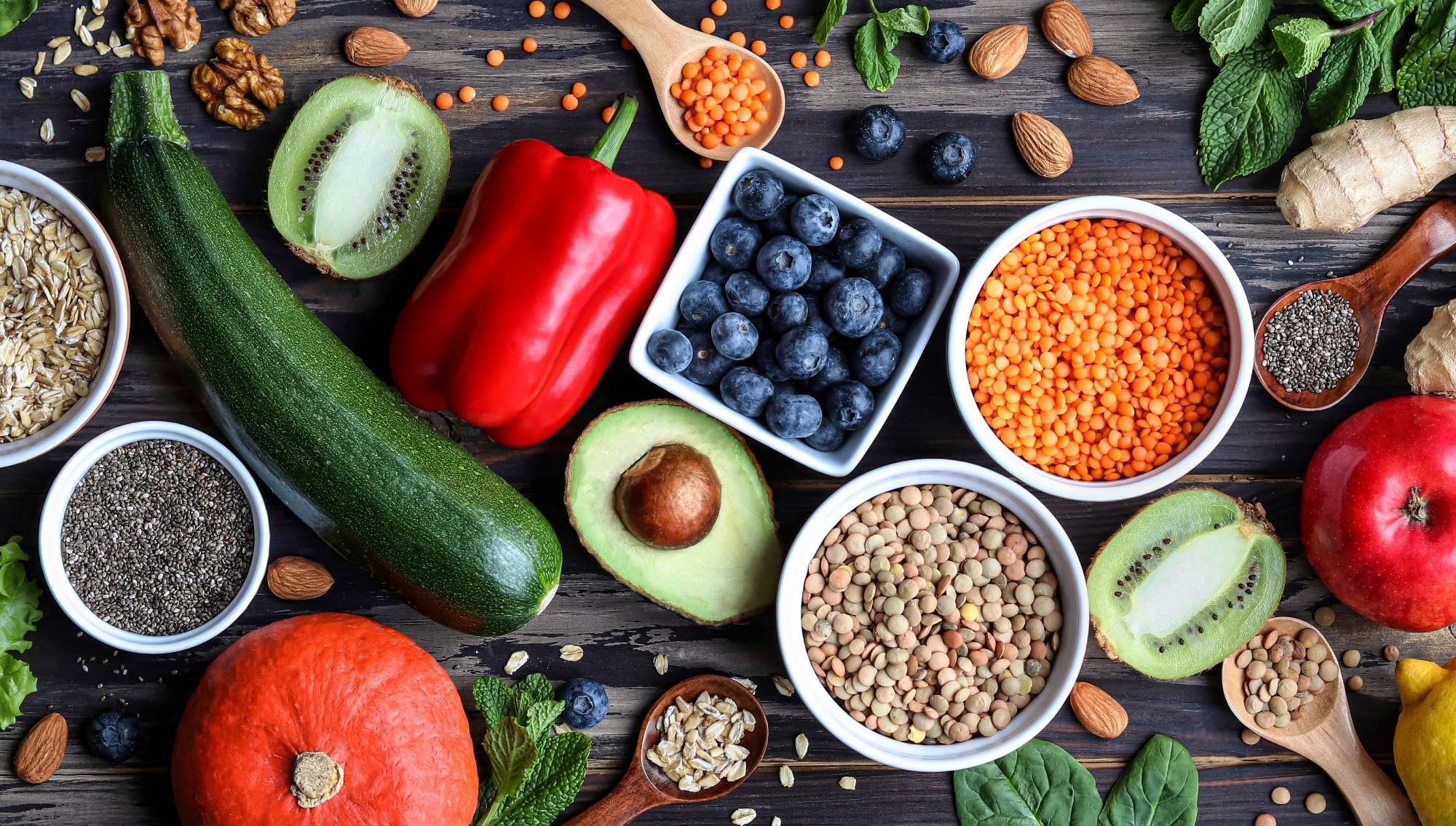
Image Credit: gmazenko / Shutterstock.com Introduction Functional foods typically contain naturally occurring or added bioactive substances, such as polyphenols, probiotics, prebiotics, omega-3 fatty acids, and vitamins, that can improve health. However, some ingredients degrade during processing, storage, or digestion, while others have poor solubility or limited intestinal absorption.
These barriers can reduce their biological activity. 1,2,5 Recent advances in food science are expanding the potential of functional foods to support overall health and well-being by improving the stability, absorption, and controlled release of their bioactive ingredients. Some approaches draw on drug-delivery research; however, experimental pharmaceutical carriers and food delivery systems have different formulation, safety, and intended-use requirements.
This article discusses these developments and highlights their potential role in supporting gut health, metabolism, healthy aging, and disease prevention. What are functional foods? Functional foods typically contain bioactive substances like polyphenols, carotenoids, omega-3 fatty acids, prebiotics or probiotics, fibers, vitamins, minerals, and phytochemicals that may provide health benefits beyond basic nutrition.
These ingredients can be incorporated into a wide range of products, including fortified beverages, dairy products, cereals, and snacks, or supplied separately in dietary supplements to increase the intake of health-promoting compounds. 2,5 Delivery challenges vary by ingredient: carotenoids and many polyphenols have poor water solubility, while probiotic organisms must remain viable through storage and gastrointestinal transit.
These limitations have driven the development of modern food-grade delivery systems that protect bioactive substances and increase their bioavailability. Bioaccessibility describes the fraction released from food and available for intestinal absorption, whereas bioavailability refers to the fraction absorbed and reaching systemic circulation.
Improved bioaccessibility in a simulated digestion experiment does not establish improved bioavailability or a health benefit in people. For ingredients that act locally in the gut, systemic absorption may not be necessary for a beneficial effect. 1,2,4,5 How advanced food delivery systems protect bioactives Numerous bioactive compounds found in functional foods may lose activity before reaching their intended site of action.
Carrier design must balance protection with release, as a structure that retains an ingredient too strongly may limit its availability during digestion. Barriers vary by ingredient; therefore, carriers must be selected based on the compound and the food in which it will be used. 1,2 To counteract these effects, scientists have developed food-grade delivery systems that protect bioactive substances from factors that negatively influence their activity.
Studied delivery systems include nanoemulsions, liposomes, solid lipid nanoparticles, polymeric nanoparticles, micelles, hydrogels, and several micro- and nanoencapsulation technologies. Lipid-based carriers can disperse poorly water-soluble ingredients, while proteins and polysaccharides can form particles, coatings, or gel networks that entrap compounds and influence their release.
Food-oriented carriers are typically made from materials such as proteins, polysaccharides, and lipids; however, suitability for food incorporation requires assessment of the complete formulation, its processing, and its safety. 1,2,3,4 Common systems developed for oral delivery of bioactives.
2 Functional food delivery systems surround or entrap bioactive compounds, protecting them from environmental stress during processing, storage, and digestion. Some systems are designed to control release through responses to digestive pH, enzymes, or microbial activity. These approaches may improve intestinal availability or deliver ingredients locally within the gut, though successful release does not necessarily establish delivery to distant tissues.
1,2,4 For example, zein-based nanoparticles improved resveratrol stability and bioaccessibility, while protein-pectin emulsion gels controlled the release of riboflavin and β-carotene in simulated digestive fluids. Natural food structures offer another approach. Researchers are investigating casein micelles and milk fat globules in milk, along with seed oil bodies called oleosomes, as carriers.
Casein micelles form a gastric clot, and its subsequent breakdown may help control the release of associated compounds. Processing conditions, including heat treatment, can alter the clot structure and change release rates. 3 Functional Foods: ingredients that open up new possibilities | Itac Professional How functional foods interact with gut microbes The gut microbiome includes bacteria, viruses, fungi, and other microorganisms that participate in digestion, immune function, and metabolism.
Functional food ingredients, including probiotics, prebiotics, fiber, polyphenols, and other plant-derived compounds, can influence the composition and activity of these microbial communities. 1,2,5 Probiotics are live microorganisms that confer a health benefit when administered in adequate amounts, while prebiotics are substrates selectively used by host microorganisms that confer a health benefit.
Inulin and certain fermentable fibers can have prebiotic effects, but fermentability alone does not establish prebiotic status. Plant-derived bioactive compounds, including polyphenols, can also interact with gut microbes, producing metabolites that may contribute to improved intestinal function and overall health.
Encapsulation can help protect probiotic organisms during storage and gastrointestinal transit. 1,2,5 Gut microbes contribute to intestinal barrier integrity, immune regulation, and the production of metabolites involved in nutrient utilization and energy metabolism. Functional food ingredients may influence these processes, including inflammatory pathways and oxidative stress, but responses vary by ingredient and microbial community.
2,5 These mechanisms support investigating functional food products to prevent or manage chronic diseases linked to metabolic disorders and inflammatory processes. Responses to these foods can vary with microbiome composition, genetics, diet, and lifestyle, highlighting the need for clinical evaluation of more personalized nutritional approaches.
2,5 Functional foods and disease prevention Researchers are investigating engineered functional foods to support health and reduce the risk of chronic diseases by improving the delivery and activity of bioactive compounds. Areas of investigation include glucose metabolism, insulin sensitivity, and body weight control.
Other bioactive ingredients are being evaluated for possible neuroprotective effects, including protection against oxidative damage. Evidence for an ingredient or an experimental carrier does not establish that a finished food improves cognition, slows aging, or prevents disease. 2,3,5 Potential applications include fortified dairy products, functional beverages, cereals, and snack foods containing encapsulated ingredients; researchers are also investigating related technologies for dietary supplements.
Many formulations remain at the laboratory stage, and adding a carrier to food can change its stability, digestion, and release behavior. Assessment of the finished product must account for the amount of active ingredient retained, its release during digestion, and whether the intended serving provides an appropriate dose.
1,2,3,5 Image Credit: Chitaika / Shutterstock.com Challenges and future directions Much of the evidence for newer bioactive delivery systems comes from simulated digestion experiments, cell cultures, or animal studies. Thus, human studies are needed to determine whether formulation improvements produce clinically meaningful benefits.
Long-term safety of new delivery systems, particularly some nanoscale carriers, remains inadequately assessed. Safety evaluation must account for carrier composition, dose, exposure duration, and possible effects on gastrointestinal function and gut microbes. Regulatory requirements also differ across countries, making it challenging to standardize health claims, safety assessments, labeling requirements, and product approval processes.
1,2,3,4,5 Future developments in biotechnology, materials science, and artificial intelligence may help identify bioactive compounds, inform food formulation, and predict ingredient interactions. Practical development also requires affordable manufacturing, acceptable taste and texture, and reproducible performance in the finished product.
Standardized testing methods would allow more reliable comparisons between carriers, while well-designed human studies could establish appropriate uses, effective doses, and safety under repeated consumption. 1,2,5 Conclusions Advances in food delivery technologies are seeking to improve the stability, bioaccessibility, and controlled release of bioactive compounds in functional foods.
Encapsulation and nanoscale carriers can address formulation and digestion barriers; however, their performance must be demonstrated for each ingredient and finished product. Overall, functional foods can support a well-balanced diet and healthy lifestyle, alongside appropriate medical care and established dietary guidelines.
1,2,3,4,5 References Otchere, E., McKay, B. M., English, M. M., & Aryee, A.
N. A. (2023). Current trends in nano-delivery systems for functional foods: A systematic review.
PeerJ 11 . DOI : 10.7717/peerj.14980. https://peerj.com/articles/14980/ Liu, L., McClements, D. J., Liu, X., & Liu, F. (2024).
Overcoming biopotency barriers: Advanced oral delivery strategies for enhancing the efficacy of bioactive food ingredients. Advanced Science 11 (44). DOI : 10.1002/advs.202401172. https://advanced.onlinelibrary.wiley.com/doi/10.1002/advs.202401172 Acevedo-Fani, A., Dave, A., & Singh, H. (2020).
Nature-assembled structures for delivery of bioactive compounds and their potential in functional foods. Frontiers in Chemistry, 8 . DOI : 10.3389/fchem.2020.564021. https://www.frontiersin.org/journals/chemistry/articles/10.3389/fchem.2020.564021/full Zhang, Y., & Jia, X. (2023).
Delivery Systems to Enhance Bioaccessibility and Bioavailability of Bioactive Factors: Structure, Property, and Food Applications. Foods 12 (16). DOI : 10.3390/foods12163127. https://www.mdpi.com/2304-8158/12/16/3127 Arshad, Z., Shahid, S., Hasnain, A., et al . (2025).
Functional foods enriched with bioactive compounds: Therapeutic potential and technological innovations. Food Science & Nutrition 13 (10). DOI : 10.1002/fsn3.71024. https://onlinelibrary.wiley.com/doi/10.1002/fsn3.71024 Further Reading All Functional Food Content Jaboticaba Fruit: What Are Its Potential Health Benefits?
What Are the Health Benefits of Bambara Groundnut? Is Squid Ink Healthy? Benefits, Nutrition, and Side Effects Explained What Is Salicornia?
Health Benefits, Nutrition Facts, and Salt Substitute Potential Last Updated: Oct 26, 2026
Article text via FreeNewsAPI. Rights remain with News-Medical.
Read on publisher site → Opens News-Medical in a new tab