How to catch a glimpse of tonight's dazzling meteor shower
Keen stargazers are in for a celestial treat this evening, with a dazzling meteor shower set to light up New Zealand's night skies. The annual Orionids meteor shower is expected to peak overnight tonight, as...
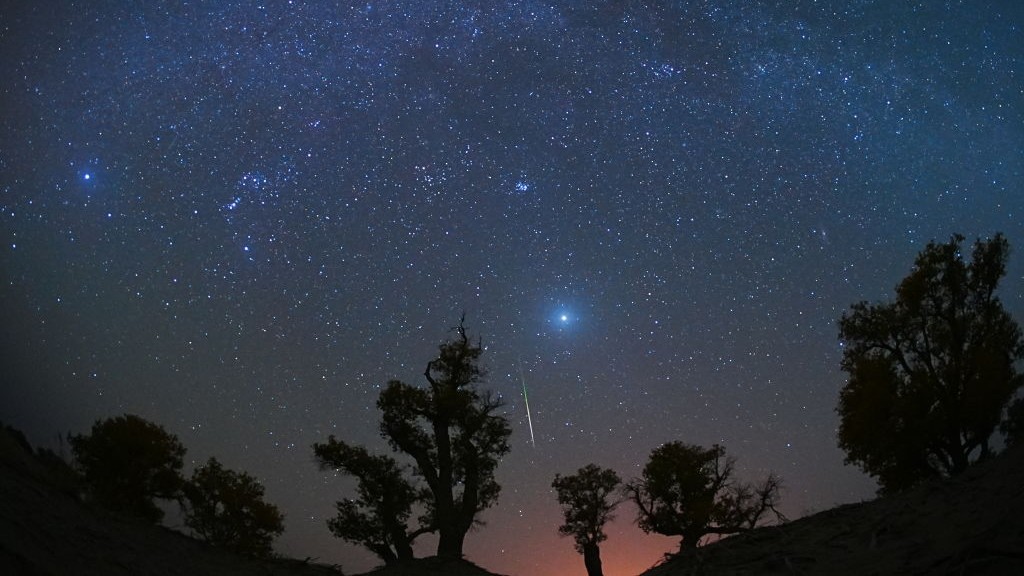
Keen stargazers are in for a celestial treat this evening, with a dazzling meteor shower set to light up New Zealand's night skies. The annual Orionids meteor shower is expected to peak overnight tonight, as Earth passes through a trail of dust left behind by Halley's Comet. Under clear skies and optimal viewing conditions, stargazers could see between 10 and 20 meteors per hour.
Stardome astronomer Josh Aoraki said the shower occurred around the same time each year as Earth continued its orbit around the sun. "Those particles fall into the atmosphere, and we get more meteors than usual, essentially. So that's where the meteor shower comes from," he said.
Aoraki said spotting the spectacle could be slightly trickier this year due to the bright Moon, which would make fainter meteors harder to see. The best viewing window would be from about 3am until sunrise, once the moon had set. "The best places [to watch] are going to be anywhere that's a really dark location," he said A meteor as photographed by Stardome.
Source: Stardome (Source: Supplied) "Once the Moon has set, that's going to be the best time." Aoraki said those hoping to catch a glimpse of the celestial display should head somewhere away from city lights, with a clear, unobstructed view of the sky. The meteors would appear to originate from the direction of the Orion constellation in the northeastern sky, but could streak across any part of the sky.
According to NASA, the Orionids were among the fastest meteors, travelling at speeds of around 66km per second as they entered Earth's atmosphere. The fast-moving meteors could leave glowing trails in their wake, remaining visible for several seconds or even minutes. Halley's Comet, which was responsible for the annual spectacle, last passed through the inner solar system in 1986 and was not expected to return until 2061.
Aoraki said no special equipment was needed to enjoy tonight's display. "That's the very best about meteor showers. You really just need a dark sky and your eyes," he said.
Article text via FreeNewsAPI. Rights remain with 1News.
Read on publisher site → Opens 1News in a new tab