Icasa wants to introduce biometric verification to fight SIM card fraud
The communications regulator wants to introduce a biometric measure to combat SIM-swap fraud. This would require mobile operators to get biometric information like fingerprints from their customers. The...
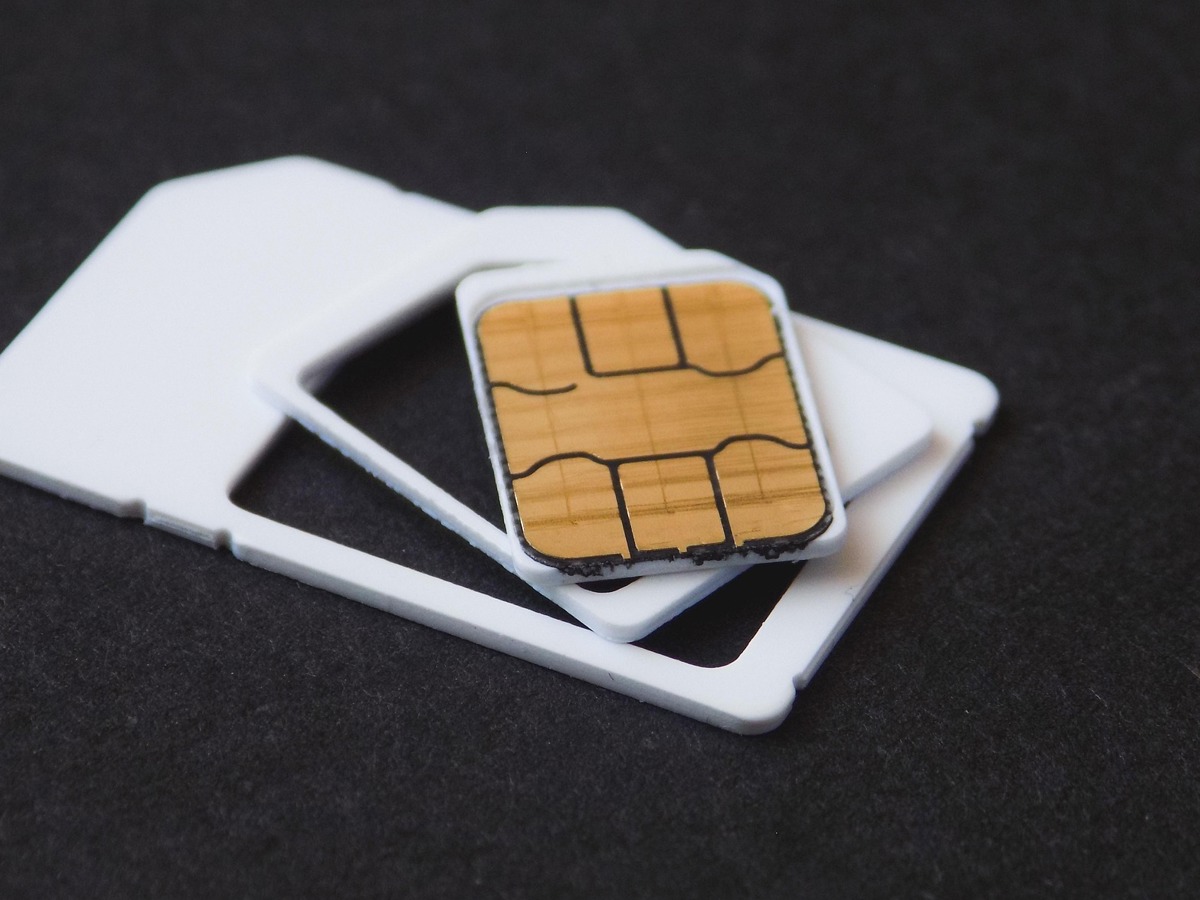
The communications regulator wants to introduce a biometric measure to combat SIM-swap fraud. This would require mobile operators to get biometric information like fingerprints from their customers. The Independent Communications Authority of SA (Icasa) has published what is named the Draft Numbering Plan Fifth Amendment Regulations, 2026, for public comment.
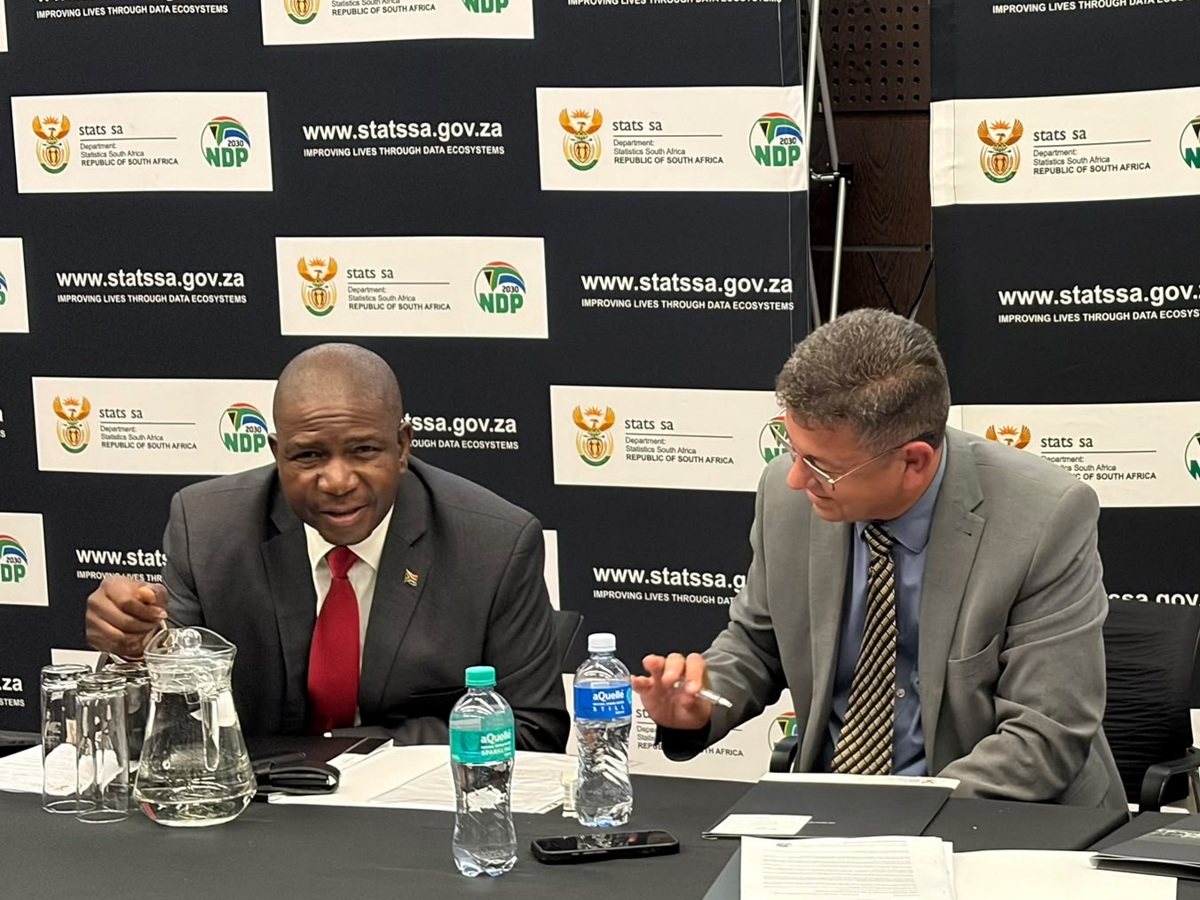
RELATED: SIM card jacking explained The mandatory verification of subscribers' biometric data would apply to both new and existing subscribers, when activating or reactivating mobile numbers, and also in the case of a SIM swap. Stephen Grootes talks to Dikeledi Catherine Mushi, Icasa councillor and chairperson of the Numbering Resources Committee at the Authority.
As Icasa, they are responsible for making sure that every number has a person that sits behind it , Mushi says. "We've experienced a lot of what most people would refer to as SIM-related fraud, but which we talk about as number fraud because we don't regulate SIM cards, but that number that sits on a SIM card." This will make more work for cellphone operators and outlets, but Mushi says Icasa really had no choice and also opted for a less disruptive option.
"We could have chosen to completely overhaul the numbering plan regulations and say, 'let's press a restart button'. But we elected not to be too disruptive, and rather bring in the regulation that says every number has to have somebody sitting behind it." Now, with the advancements in technology, biometrics is the order of the day, she says.
"It's like your fingerprint that is sitting with Home Affairs. You place your thumb, and within seconds, it verifies you are the right person." Of course licensees will still need your full personal details like name and ID number, because the biometric verification alone is not a record of the person who has the specific mobile number.
For more detail, listen to the interview audio at the top of the article
Article text via FreeNewsAPI. Rights remain with EWN.
Read on publisher site → Opens EWN in a new tab