Mastoiditis Drives Intracranial Infections in Group A Strep
Mastoiditis was the most common cause of intracranial infections in children with group A Streptococcus (GAS), based on new data presented at the Infectious Disease Week (IDWeek) 2026 Annual Meeting.Invasive...
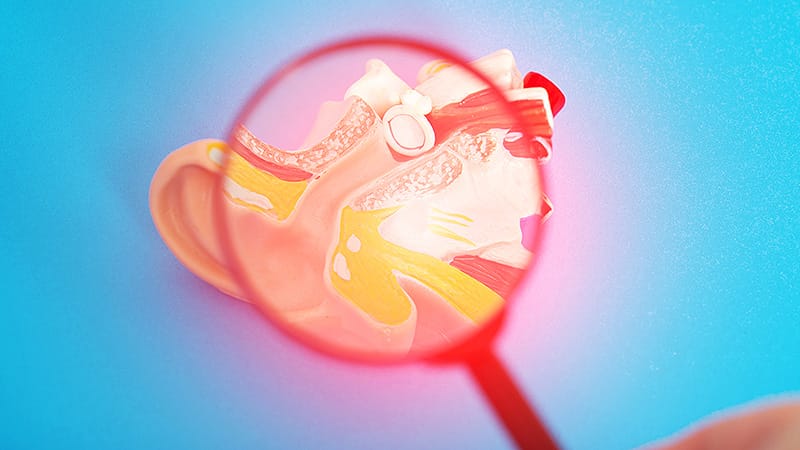
Mastoiditis was the most common cause of intracranial infections in children with group A Streptococcus (GAS), based on new data presented at the Infectious Disease Week (IDWeek) 2026 Annual Meeting. Invasive GAS (iGAS) has been on the rise since 2022, but details on the presentation and outcomes of iGAS with intracranial extension are limited, said presenting author Khanh L.
Nguyen, MD, a global health pediatric resident at Texas Children’s Hospital, Baylor College of Medicine, Houston. In particular, the current study aimed to explore invasive intracranial GAS and its neurologic sequelae, she said. Nguyen and colleagues reviewed data from 864 cases of iGAS from 2013 to 2023 and identified 28 GAS intracranial infections.
The median age of the patients with intracranial GAS was 6.6 years, and 57.2% were female. Approximately one third (32.1%) underwent lumbar punctures, with a median cerebrospinal fluid white blood cell count of 524 cells/mm 3 . After neuroimaging (for all patients), the most common findings were epidural abscesses and meningeal enhancement.
Overall, mastoiditis was the most common clinical syndrome in the study population (71.4%), followed by sinusitis (17.9%), and hematogenous meningitis (10.7%). Patients with meningitis were significantly younger, with a median age of 0.8 years. Children with meningitis also had significantly longer periods of fever after antibiotics (6 days), and more than 90% of these patients were admitted to an ICU.
“I was surprised about the most common source of intracranial infections being from the mastoid/ear, and I was surprised that those who had meningitis as a source were significantly younger with higher morbidity,” Nguyen said. Most of the patients (94%) also underwent surgical source control, and 67% of patients with meningitis had subdural empyema .
Antibiotics were prescribed for a median of 30.5 days. Penicillin was the most often-prescribed antibiotic overall, and 25% of the patients received adjunctive protein synthesis inhibitors. Long-term neurologic sequelae developed in 25% of the patients overall, the most common of which were seizures.
Overall, any neurologic sequelae were significantly more likely in patients with hematogenous meningitis than in those with mastoiditis. The study findings were limited by several factors including the relatively small sample size and retrospective design, said Nguyen. As such, the researchers could not fully stratify neurologic complications among the study population by disease manifestation, age, sex, and other factors given the inability to complete follow-up in many of the patients, she noted.
However, the results inform clinical practice regarding iGAS in children and highlight the considerable morbidity when hematogenous meningitis is the cause, the researchers concluded. “The post-pandemic epidemiology of bacteria and its common manifestations are evolving, and we need to be aware of the new landscape of disease presentation to provide effective treatment for our patients,” Nguyen added. iGAS infections of the central nervous system (CNS) are rare, but can be devastating, said Felice Adler-Shohet, MD, an infectious diseases specialist and associate professor of pediatrics at the University of California, Irvine, School of Medicine.
The new study adds to the limited information on this condition and provides information on epidemiology, clinical presentation and outcomes, said Adler-Shohet, who served as the moderator of the session in which the study was presented at the meeting. Adler-Shohet said she was encouraged by the absence of mortality in the current study because previous research has shown 15% mortality.
Knowing which GAS emm types were responsible for these CNS infections would be interesting, as a previous study showed that emm types 1 and 12 were most common in pediatric GAS intracranial infections, she said. The key takeaway in the current study is the identification of intracranial extension from mastoiditis or otitis as the most common drivers of CNS infection caused by GAS , said Adler-Shohet.
However, given the limitations of a single-center study with small numbers of patients, the results should be confirmed in larger multicenter studies, she added. The study received no outside funding. Nguyen and Adler-Shohet had no financial conflicts to disclose.
Article text via FreeNewsAPI. Rights remain with Medscape.
Read on publisher site → Opens Medscape in a new tab