Off the Sidelines: Exercise in Hemophilia A, With Doris Quon, MD, PhD
How patient priorities shift from childhood to adulthood, and why separating subclinical bleeds from chronic pain remains an unmet need. Physical activity, which many adults with hemophilia A were kept from...
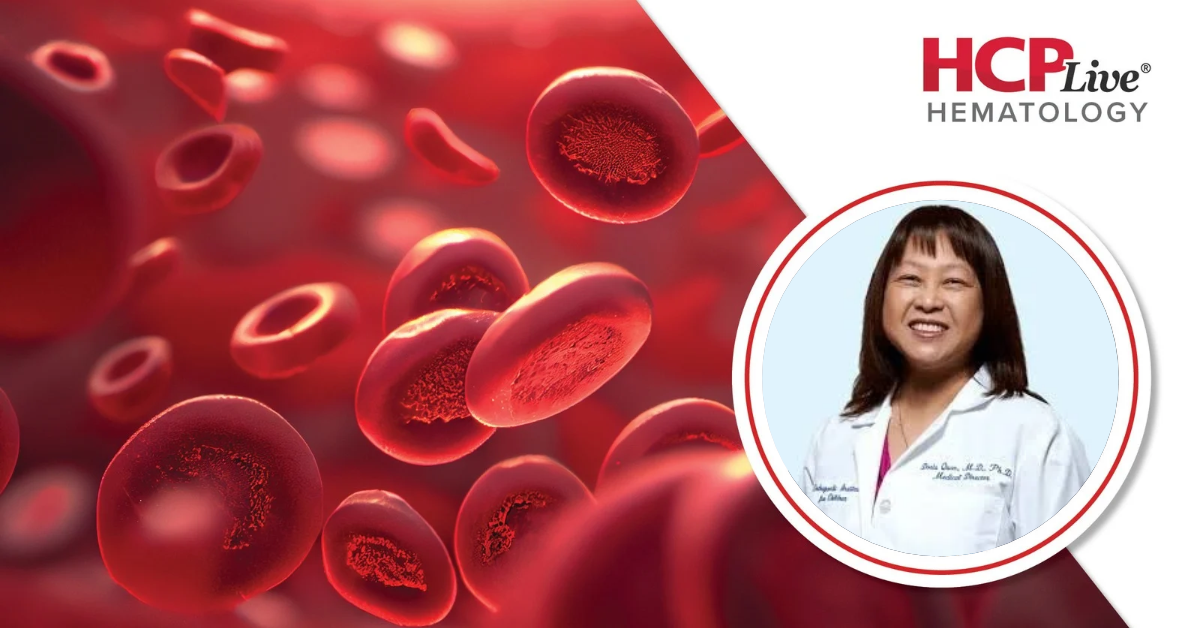
How patient priorities shift from childhood to adulthood, and why separating subclinical bleeds from chronic pain remains an unmet need. Physical activity, which many adults with hemophilia A were kept from as children, may now be part of protecting their joints, according to Doris Quon, MD, PhD, medical director of the Orthopaedic Hemophilia Treatment Center at the Orthopaedic Institute for Children in Los Angeles, in an interview with HCPLive .
Quon believes the goal of care has moved past bleed prevention toward a fuller life, though older patients with established joint damage still face gaps. “They never grew up with these non-factor therapies, and even with factor, they had breakthrough bleeds, and they felt that they couldn’t do the things other kids could do,” Quon said.
Physical Activity and Joint Stability in Hemophilia A Quon primarily treats adults, and some were kept out of sports entirely as children because of bleeding concerns. That approach has reversed. Quon’s team now encourages physical activity, since in her view well-developed muscles around the joints help stabilize them.
“The healthier the muscle around the joints, the less joint bleeding you actually have,” Quon said. A Cochrane review of small trials in people with hemophilia found exercise groups saw greater improvements in pain, muscle strength, and joint range of motion than control groups, though none of the included studies reported bleed frequency as an outcome.1 Hemophilia A Treatment Goals From Childhood to Adulthood Quon described priorities shifting across a patient’s life.
In childhood, the focus is developing healthy joints. In adolescence, care centers on maintaining joint health while helping patients become more independent with their treatment and learn to choose appropriate activities. By adulthood, she sees the goal as patients doing what they want without limits from their condition.
Travel has become a major priority for many adults, and Quon noted patients no longer need to bring suitcases full of factor. Patients have told her caring for a family has also become easier. “Your treatment is not such a burden anymore,” Quon said.
Subclinical Bleeding and Chronic Pain Remain an Unmet Need In Quon’s view, the unmet need in hemophilia A care has shifted. Breakthrough bleeds once dominated, but she now sees less of those and more difficulty identifying subclinical bleeding and distinguishing a bleed from chronic pain.
That challenge is sharpest in older patients with acute pain layered on top of chronic arthropathy pain. Researchers have noted physical examination and patient self-assessment may not accurately identify a joint bleed, and teams are developing artificial intelligence tools paired with point-of-care ultrasound to support detection at the bedside and at home.2 Quon expects the next generation to face this problem less often.
“Even zero bleeds doesn’t always mean healthy joints,” Quon said. “As kids grow up with no bleeding, they’ll have healthier joints and have much better function, and I think that means a lot.” Editors’ Note: Disclosures for Quon include Bayer, BioMarin, and Sanofi. References Strike K, Mulder K, Michael R.
Exercise for haemophilia. Cochrane Database Syst Rev . 2016;12:CD011180. https://www.cochrane.org/evidence/CD011180_exercise-people-haemophilia Tyrrell PN, Alvarez-Román MT, Bakeer N, et al.
Utilizing artificial intelligence for the detection of hemarthrosis in hemophilia using point-of-care ultrasonography. Res Pract Thromb Haemost . 2024;8(8):102602.
Related to this article
Article text via FreeNewsAPI. Rights remain with HCPLive.
Read on publisher site → Opens HCPLive in a new tab