Scientists May Have Discovered Why Men's Prostates Enlarge With Age
Scientists have discovered a distinct subtype of cell in the prostate, and it could help solve the mystery of why the gland enlarges with age.This natural phenomenon is called benign prostatic hyperplasia...
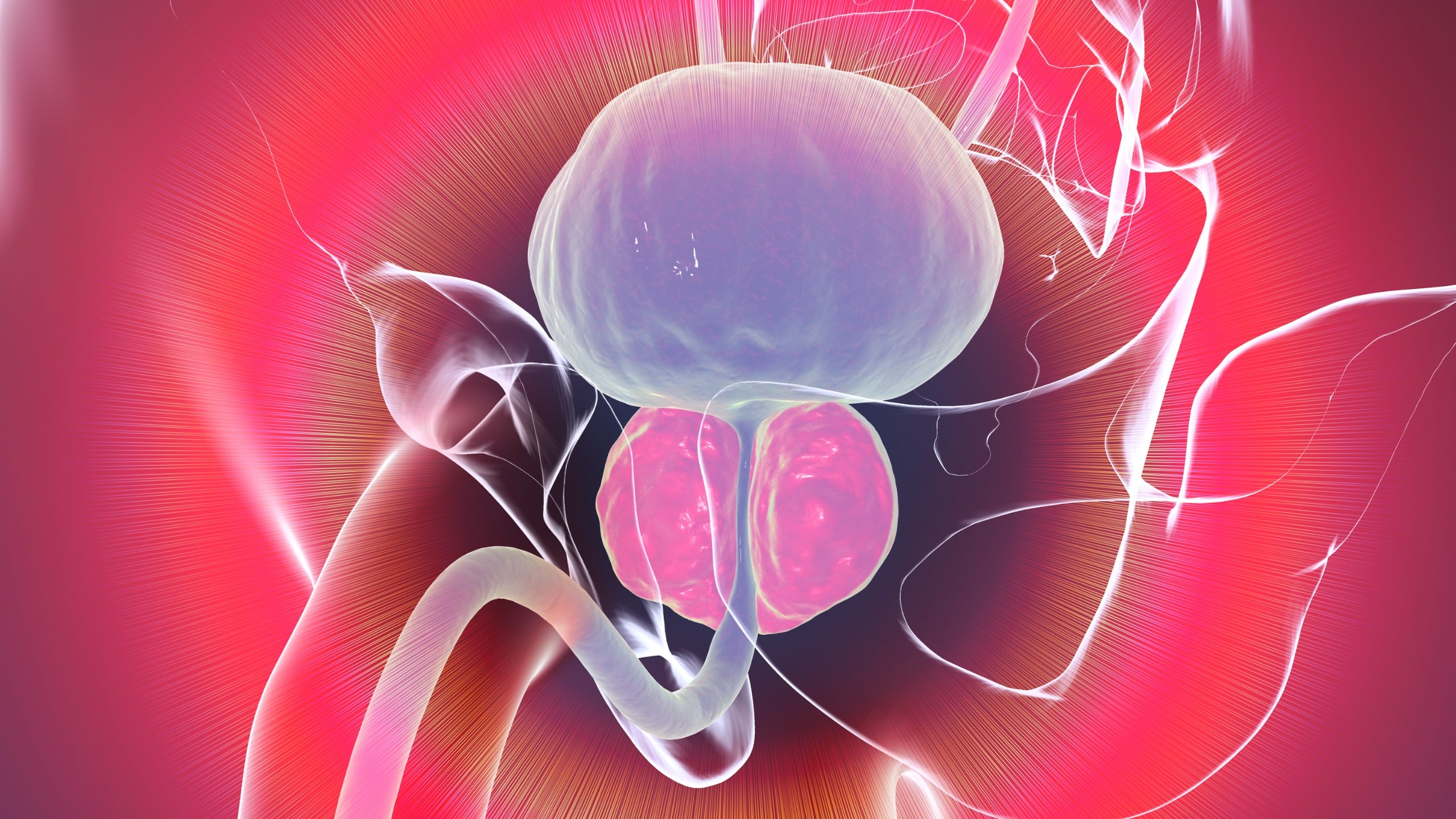
Scientists have discovered a distinct subtype of cell in the prostate, and it could help solve the mystery of why the gland enlarges with age. This natural phenomenon is called benign prostatic hyperplasia (BPH), and it tends to occur in just one region of the prostate. But scientists still don't understand why.
Now, researchers at Johns Hopkins University have found a possible culprit hiding around the urethra. Using single-cell RNA sequencing, the team has identified a population of prostate cells that are particularly abundant in this region, especially in cases of BPH. The findings are published in The Journal of Pathology .
"Although BPH affects millions of men worldwide, scientists still do not fully understand why it develops primarily in a region of the prostate known as the transition zone, while other regions of the gland remain relatively unaffected," explains senior author Vasan Yegnasubramanian.
The transition zone is the part of the prostate that surrounds the urethra. If this area enlarges with age, it can constrict the passage, making urination slower and more sporadic. It's the most common prostate problem in men older than age 50, and while changes to hormone levels, inflammation, and cellular growth probably play a role, no one really knows why, at a cellular level, BPH occurs.
Benign prostatic hyperplasia, 3D illustration showing normal and enlarged prostate gland. (KATERYNA KON/Science Photo Library RF/Getty Images) Urologist Charles Welliver at Albany Medical College was not involved in the recent study, but in an interview for the Urology Care Foundation's podcast in August, he explained that BPH isn't due to swelling.
"Benign prostatic hyperplasia is just an increase in the number of cells within the prostate," said Welliver. "So, the cells don't get bigger, there's an increase in the number." Now, scientists think they have figured out which units might be behind that cellular surge. Researchers at Johns Hopkins analyzed noncancerous prostate tissue from 10 men who had prostate cancer.
Samples came from the three major zones of the prostate, and researchers carefully analyzed which genes were turned on or off in nearly 130,000 individual cells. In tissues from the transition zone and in samples from BPH, researchers found a distinct cell population that was rare in other parts of the prostate.
These cells are a subtype of basal cells called WIF1+, and they are transcriptionally and anatomically distinct to the rest of their family members. Scientists say they display a unique gene expression profile, and RNA sequencing and staining show that they are markedly enriched in the transition zone of the human prostate.
Some genes associated with WIF1+ cells respond to androgens like testosterone and are involved in signaling pathways that influence prostate growth and development. "Together," the authors write , "the molecular signature, zonal distribution, and pathway enrichment suggest that transition-zone-enriched WIF1+ basal cells may contribute to BPH pathogenesis by promoting epithelial and stromal remodeling." The researchers also speculate that by dampening inflammation and a growth-signaling pathway called WNT, these cells could help explain why prostate cancer starts less often in the transition zone.
"The analysis revealed that these cells possess molecular features associated with tissue remodeling that could contribute to prostate enlargement as well as an ability to communicate with neighboring cells, suggesting they may help establish the unique biological environment of the transition zone," says first author Rulin Wang.
When Wang and colleagues analyzed publicly available datasets, they found more evidence to support their results. Enlarged prostate gland tissues were enriched with WIF1+ basal cells. The gene signature of these abundant basal cells was also distinctly altered.
Wang says this raises the possibility that these cells "contribute to the regional processes that make the transition zone particularly susceptible to BPH." For now, that's just a hypothesis, but it's one that Wang and colleagues think deserves further investigation. Future studies, for instance, could examine the functional roles of WIF1+ basal cells in the development of enlarged prostate glands.
If these cells really do play a direct role in BPH, they could become future drug targets. The research has been published in The Journal of Pathology . This article was fact-checked by Rebecca Dyer and edited by Rebecca Dyer .
While we pride ourselves on our process, we are only human. If you spot a mistake, please let us know .
Article text via FreeNewsAPI. Rights remain with ScienceAlert.
Read on publisher site → Opens ScienceAlert in a new tab