Scotland declares bird flu prevention zone after fresh outbreak
A nationwide avian influenza prevention zone (AIPZ) has been declared by Scotland’s chief veterinary officer following a rise in detections of the virus among both captive and wild bird populations.The...
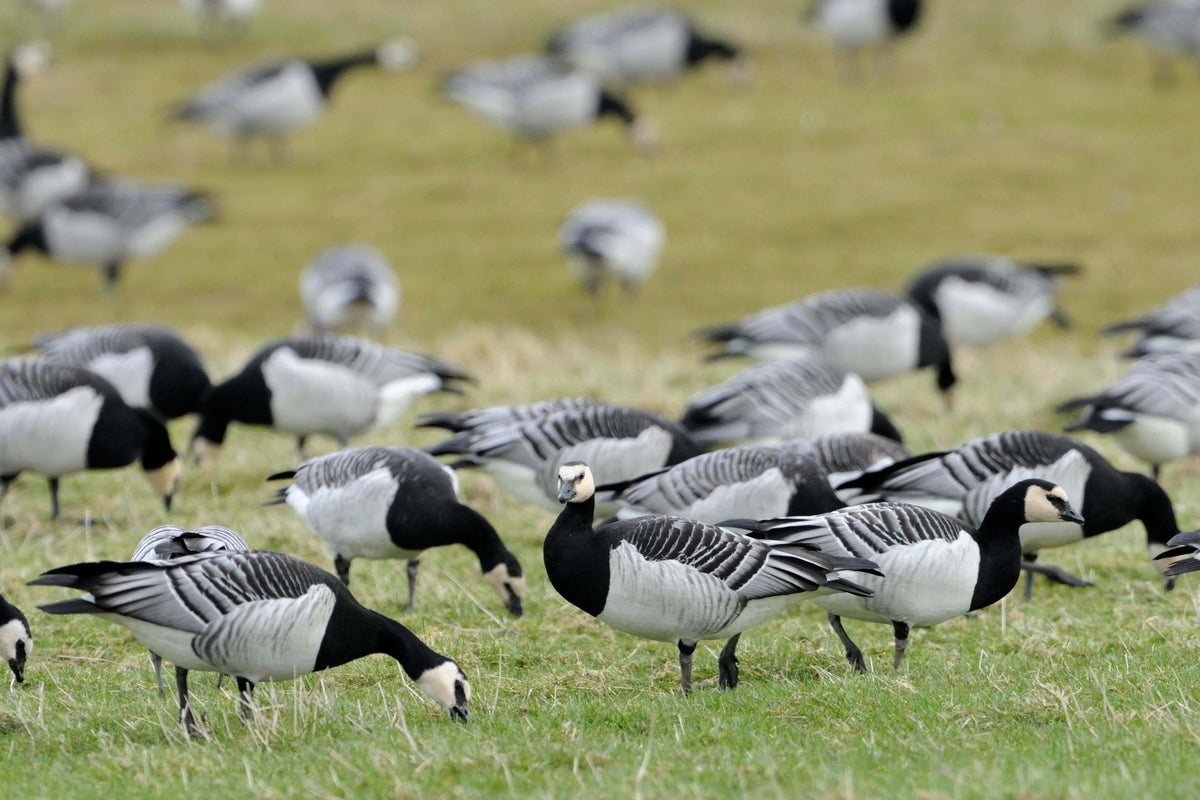
A nationwide avian influenza prevention zone (AIPZ) has been declared by Scotland ’s chief veterinary officer following a rise in detections of the virus among both captive and wild bird populations. The measure, which came into force at midday on Tuesday, means that all bird keepers in Scotland are now legally required to observe strict biosecurity protocols to protect their flocks.
Mandatory steps include fencing off free-ranging birds, thoroughly cleansing and disinfecting footwear and concrete areas, and keeping domestic ducks and geese separate from all other poultry. The AIPZ is set to stay in place until further notice and will be subjected to regular review as part of broader efforts to track and manage disease risks.
Surveillance data reveals that the highly pathogenic avian influenza strain is currently circulating in wild birds across the UK, with the risk to poultry and other captive birds rated as very high. Between October and April, six cases of the disease were identified in kept birds across Great Britain.
The chief veterinary officer has declared a Scotland-wide avian influenza prevention zone (PA) Scotland accounted for two of those cases, involving a backyard flock located on the Isle of Lewis and an egg producer based in the Scottish Borders. The remaining four cases were recorded in England.
Since October 21, nine of the 65 dead wild birds in Great Britain have tested positive for avian influenza. Of these, 56 were from England, eight from Scotland and one from Wales. There has also been an increase in poultry outbreaks across Europe in recent weeks, including in Belgium , Germany and Norway.
Public Health Scotland said the risk to the public from the virus is very low and Food Standards Scotland has said there is a very low food safety risk for consumers. Properly cooked poultry and poultry products, including eggs, are safe to eat. Mandatory steps include fencing off free-ranging birds, thoroughly cleansing and disinfecting footwear and concrete areas, and keeping domestic ducks and geese separate from all other poultry. (PA) Scotland’s chief vet officer Sheila Voas said: “While the risk to public health is very low, we are currently experiencing a heightened risk of an incursion of this virus from migratory birds and so it is vital that appropriate precautions are taken to protect poultry and other captive birds from infection.
“The introduction of this zone is a preventative measure, aimed at minimising the impact this often devastating virus, can have on Scottish kept birds. “Maintaining strict biosecurity is the most effective method of protecting birds from the virus.” Bird keepers have been advised to familiarise themselves with the government’s avian flu advice, which can be found at gov.scot/avianinfluenza.
Suspicion of the disease should be reported to the local Animal and Plant Health Agency (APHA) field service office – but the public are warned not to touch or pick up any dead or visibly sick birds they found. Wild birds can carry several diseases that are infectious to people. In Great Britain the UK Government’s online reporting system should be used to report findings of a single dead bird of prey, swan, goose, duck or gull; or five or more dead wild birds of any other species.
This can be found at gov.uk/guidance/report-dead-wild-birds
Article text via FreeNewsAPI. Rights remain with The Independent.
Read on publisher site → Opens The Independent in a new tab


