‘Shocking’ number of bats killed every year by wind turbines - study
Published on 31 October 2026 - 7:02 GMT+1 Wind energy has been described as a “foundational pillar” in the transition away from fossil fuels – but new research warns that...
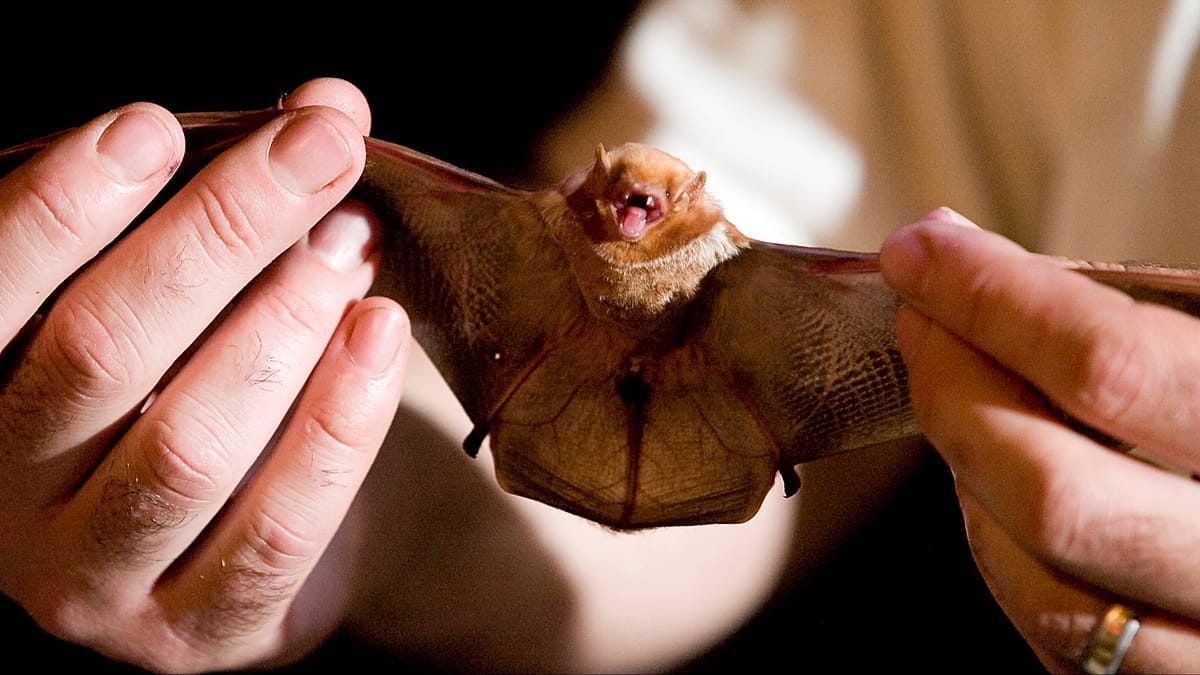
Published on 31 October 2026 - 7:02 GMT+1 Wind energy has been described as a “foundational pillar” in the transition away from fossil fuels – but new research warns that spinning turbines kill a “shocking number" of bats every year. According to the most comprehensive study into the problem to date, 18.7 million bats from 28 different species have died at wind energy facilities across the United States between 1981 and 2024.
The study, published in the Proceedings of the National Academy of Sciences , found that 100,000 bats died per year around two decades ago. But by 2021, attributed to the boom in wind energy, the death toll increased to 1.5 million bats annually. Why bat deaths may have been underestimated for years Many bats killed at wind farms collide with turbines, but scientists still aren’t sure why this happens.
One theory is that they’re attracted by the whirring noise, or that they mistake the structures for trees. Researchers say bats could also struggle to detect the blades or may be “drawn to them for other reasons”. Most studies into bat fatalities are based on searches from wind farm operators themselves.
But scientists worry that this doesn’t reveal the full picture – as methods used may vary between wind farms and leave room open for underestimations. For example, scavenging animals might quickly remove the dead bats, or tall grasses could hide the carcasses. This is why the study authors developed a statistical approach that accounted for missing data and estimated how many bats of each species may have been killed across the country, including at wind farms that had not been monitored.
“Despite using modern statistical methods, the state of data remained a limiting factor in our analysis,” the study states. How can bat deaths be reduced? The study argues that changes to the location of wind facilities could lower the risk of bats being killed.
For example, wind farms near rivers tended to have higher fatalities – due to many bat species relying on rivers for food, water and navigation. The characteristics of the wind turbine also had an effect. The team warned that turbines that have less ground clearance were particularly deadly.
A separate study, published in the journal of Applied Ecology this month, looked into 141 wind farms in Europe – where bat species are protected under the EU Habitats Directive. The study found that avoiding turbine operation when local conditions are “particularly favourable” for bat flight can lessen mortalities by more than 80 per cent.
Some countries, such as Germany, have mandated mitigation measures since around 2010. These typically include risk assessments at site-selection stage and operating restrictions, for instance preventing the rotor from turning during high-risk periods, such as migration seasons, or in weather conditions in which bats are most active.
However, this strategy didn’t reduce deaths for migratory birds – which also fall victim to spinning turbines.
Article text via FreeNewsAPI. Rights remain with Euronews.com.
Read on publisher site → Opens Euronews.com in a new tab