Simple drug adjustment reduces kidney damage during septic shock surgery
A simple adjustment to drugs given during operations for septic shock could prevent thousands of patients suffering kidney damage, according to a major trial. Scientists from the University of Southampton...
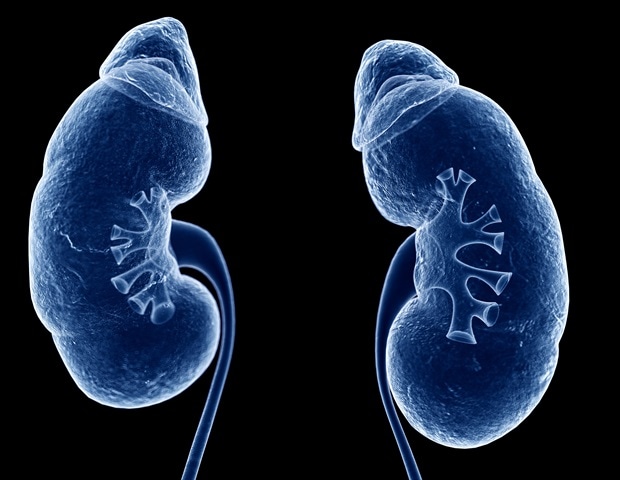
A simple adjustment to drugs given during operations for septic shock could prevent thousands of patients suffering kidney damage, according to a major trial. Scientists from the University of Southampton working with experts in China discovered that combining medications dobutamine and norepinephrine during surgery can significantly lower the risk of acute kidney injury.
Septic shock has a global death rate as high as 50 per cent and is often triggered by an extreme immune response to an infection. Although emergency surgery usually clears the underlying infection, inflammation and surgical trauma can cause kidney injury among patients. Dr Nazrul Islam from Southampton, a senior co-corresponding author, said that standard medical care during septic shock surgery is to use blood pressure drugs that can accidentally starve the kidneys of vital blood.
Our trial discovered that adding these two heart medications during the operation safely boosts blood flow. It also significantly cuts the risk of severe kidney damage, offering a safer way to protect vulnerable patients during high-risk surgery." Dr. Nazrul Islam, senior co-corresponding author, University of Southampton The study, published in JAMA, was a collaboration between scientists from University of Southampton and Zhejiang University School of Medicine in China.
As part of the trial, experts tracked 584 adult patients undergoing surgery across 39 hospitals in China. Half received an infusion of dobutamine, a heart medication that improves blood flow, alongside norepinephrine, while the other group received norepinephrine alone. Primary corresponding author Dr Xiangming Fang, from the Zhejiang University School of Medicine, said: "Our research is timely as the International Guidelines for Management of Sepsis and Septic Shock recently said there was insufficient data to make a recommendation for the use of dobutamine.
"Clearly this can now be changed - and we hope our findings can help doctors rethink how they care for patients during high-risk emergency surgery." Results from the paper showed that fewer than a quarter of patients given the drug combination developed new or worsening kidney injuries within a week after surgery.
This compared to around 35 per cent in the standard care group. Other results found that the dobutamine and norepinephrine combo triggered more frequent bouts of temporary elevated heart rate, or tachycardia, affecting 41 per cent of patients compared to about 30 per cent in the other group.
However, the researchers found no increase in serious complications, such as cardiac arrest or arrhythmias. Dr Lihua Chu from Zhejiang University School of Medicine said: "Crucially, we found the therapy was most effective at preventing serious forms of kidney injuries. "Moderate to severe kidney injuries were roughly halved among patients receiving the combined drugs.
"Patients taking the drug combination produced more urine right away and showed milder overall signs of organ strain during their first day in intensive care." The University of Southampton is known for its trusted research which is conducted within a robust framework of policy, regulation and best practice.
Source: Journal reference: Chinese Perioperative Septic Shock Investigators for the Chinese Peri-Operative Organ Protection Group. (2026). Intraoperative Dobutamine Plus Norepinephrine to Prevent Postoperative Acute Kidney Injury in Septic Shock: A Randomized Clinical Trial. JAMA .
DOI: 10.1001/jama.2026.21322. https://jamanetwork.com/journals/jama/article-abstract/2855463 Suggested Reading Terms While we only use edited and approved content for Azthena answers, it may on occasions provide incorrect responses. Please confirm any data provided with the related suppliers or authors.
We do not provide medical advice, if you search for medical information you must always consult a medical professional before acting on any information provided. Your questions, but not your email details will be shared with OpenAI and retained for 30 days in accordance with their privacy principles.
Please do not ask questions that use sensitive or confidential information. Read the full Terms & Conditions .
Article text via FreeNewsAPI. Rights remain with News-Medical.
Read on publisher site → Opens News-Medical in a new tab