Ultra-processed foods harmful to human health
Cuthbert Mavheko, [email protected] October is Breast Cancer Awareness Month. The month reminds people, especially women, to pay attention to their breast health and learn to recognise any changes that could...
Cuthbert Mavheko, [email protected] October is Breast Cancer Awareness Month. The month reminds people, especially women, to pay attention to their breast health and learn to recognise any changes that could indicate that something is wrong. According to the World Health Organisation (WHO), breast cancer was the most common cancer among women in 157 out of 185 countries in 2022.
Health experts say recognising the warning signs of breast cancer and seeking medical attention when unusual changes occur in the body can help people receive a diagnosis and treatment as early as possible. Health experts further state that breast cancer can affect women of all ages, as well as men.
But what are the warning signs of breast cancer? Public health experts say one of the most recognised warning signs of breast cancer is a new lump or thickening in the breast or armpit, often without pain. They say people should not wait for a lump to become painful before seeking medical treatment.
Any new or unusual lump should be checked by a healthcare professional. Other warning signs include a nipple that suddenly turns inwards, becomes flattened or changes position. Another warning sign is unusual nipple discharge.
Women are advised to look out for fluid coming from the nipple when they are not breastfeeding, particularly if the fluid is bloody or appears without squeezing the nipple. Persistent or unexplained pain in the breast or armpit, particularly when accompanied by a lump, is another warning sign.
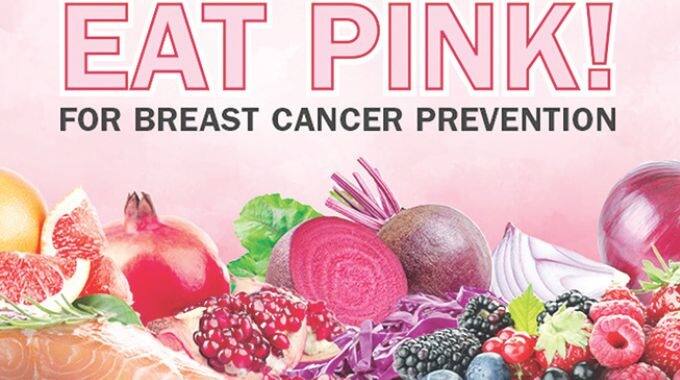
Health experts say people should learn how to do breast self-examination to recognise the warning signs of breast cancer, and if they notice any lump in the breast or armpit, they should receive immediate medical assistance. Research confirms that the risk of developing cancers like melanoma (a skin cancer) or breast cancer can be reduced by changes in an individual’s lifestyle, for instance, being physically active and eating healthy foods.
Dietitians say many of the products commonly called foods are of little or no value in sustaining, nourishing or building the body and actually cause harm to our bodies by clogging the digestive system, aggravating it and becoming a real burden for the body to eliminate. In many cases, some foods act as slow-acting poisons.
Doctors and dietitians agree that we often eat far more food than our bodies require. They say greatly restricting one’s diet enables the body to cleanse itself of the accumulation of the products of an imperfect diet. One Canadian study found that people eating the most ultra-processed foods are 40 percent more likely to show early signs of brain damage linked to stroke and memory problems.
A dietitian from Gweru stated that eating a well-balanced diet containing the right types of food helps to improve and maintain good health. “A balanced diet, rich in certain foods, positively contributes towards better health. In selecting food, we should avoid refined foods and highly processed foods, and choose foods that contain all the nutrients the body requires to sustain and build health,” she said.
She added that food should also be prepared and cooked correctly to preserve its nutritional content. Natural foods, in their original or minimally processed form, should form an important part of our diets. These, the dietitian said, include wholemeal bread, wholegrain cereals, fresh fruits, legumes, poultry, fish, dairy products, lean meat prepared without added fat, and fresh vegetables or vegetables cooked at low temperatures to retain their nutrients.
Although foods that contain a lot of starch, fat, sugar and spices may be delicious, they often provide limited nutritional benefits and may contribute to digestive problems when consumed excessively over time. She further explained that vegetables provide several essential nutrients, such as potassium, dietary fibre, folic acid, vitamin A and vitamin C.
Fibre helps lower cholesterol levels in the body, which can reduce the risk of heart disease. Examples of vegetables rich in fibre include beans, broccoli, cabbage, peas and potatoes eaten with their skins. Globally, approximately 2,6 million people die annually from illnesses associated with cholesterol.
She also noted that coffee consumption may be associated with a reduced risk of certain cancers, including breast, endometrial, prostate and liver cancer, as well as other cancers linked to obesity. Regular physical activity can help prevent obesity, and people are encouraged to exercise for more than thirty minutes at least five times a week.
Furthermore, prolonged exposure to sunlight without adequate protection increases the risk of skin cancer. Melanoma, she said, is a particularly dangerous type of skin cancer associated with ultraviolet radiation from the sun. Detecting cancer early and receiving prompt treatment generally improves chances of recovery.
It is important to consider the health value of water. Nutritionists and dietitians are unanimous in their assertion that drinking a lot of water is one of the greatest aids in eliminating body poisons and keeping the body system clean. They say water is also an aid in preventing or overcoming constipation, which is the source of many bodily ills.
Regarding the consumption of alcohol, researchers say people should avoid drinking alcohol because even small amounts can cause unpleasant physical reactions or health problems. Researchers further state that smoking, sniffing, or chewing tobacco should be avoided at all costs, as it can cause cancers of the lungs, mouth, throat, bladder, kidneys and many other organs.
Cuthbert Mavheko is a freelance journalist and theologian contactable on 0773963448/077502095.
Article text via FreeNewsAPI. Rights remain with Herald.co.zw.
Read on publisher site → Opens Herald.co.zw in a new tab