Why Daily Statins May Lower Your Patient's Glaucoma Risk
Standard glaucoma treatments focus entirely on bringing down fluid pressure inside the eye to spare the optic nerve. So how does a cholesterol pill fit into the picture?New research in the British Journal of...
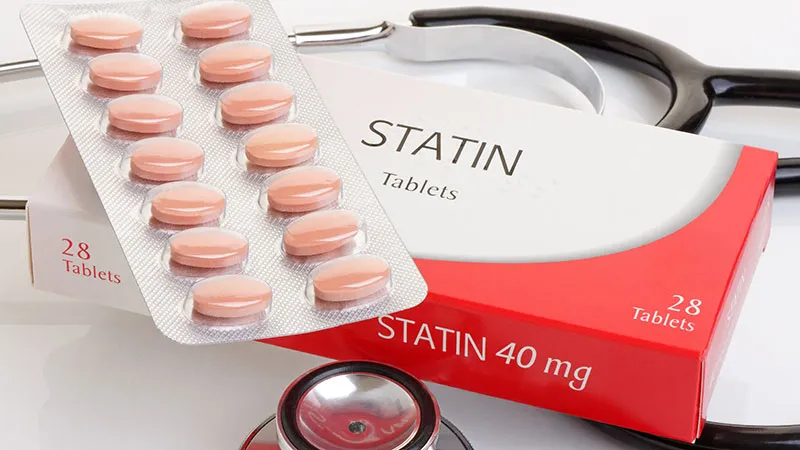
Standard glaucoma treatments focus entirely on bringing down fluid pressure inside the eye to spare the optic nerve. So how does a cholesterol pill fit into the picture? New research in the British Journal of Ophthalmology showed that people who take cholesterol-lowering statins have a lower risk of developing glaucoma.
What's more, glaucoma patients already on statins needed fewer interventions — such as surgery or pressure-reducing drops — than those not taking the drug. The findings offer an exciting glimpse into potential new ways to preserve sight. "If confirmed through additional research, these findings could eventually lead to a complementary strategy for glaucoma treatment," said senior study author Robert Weinreb , MD, distinguished professor in the Viterbi Family Department of Ophthalmology at UC San Diego School of Medicine and ophthalmologist at UC San Diego Health.
"Certainly, patients with statins were protected from development to glaucoma, from worsening of glaucoma, so in a patient who's already being treated for glaucoma, it could reduce the likelihood of progression." The Link Between Statins and Glaucoma Weinreb and his team analyzed data from more than 200,000 statin users older than 40 years against a control group of the same size.
Those on statins were 15% less likely to develop open-angle glaucoma over 5 years — and 10% less likely over a decade. In a comparison of nearly 280,000 glaucoma patients, those taking statins required far fewer invasive procedures: They were 60% less likely to need an in-office laser procedure, 55% less likely to need minimally invasive glaucoma surgery, and 36% less likely to undergo conventional surgery.
Statin use was also linked to a reduced need for daily pressure-lowering eye drops. How Statins Might Protect the Eyes The potential mechanism remains unclear, but Weinreb pointed to prior research suggesting the drugs carry powerful anti-inflammatory, immune-modulating, and neuroprotective properties.
That last piece — neuroprotection — may be critical. Neuroprotective strategies represent one of the most promising frontiers in modern eye care. Rather than simply lowering eye pressure, they aim to directly shield the eye's specialized nerve cells, known as retinal ganglion cells, from dying off early.
For example, biotechnology company Life Biosciences is studying an epigenetic therapy designed to reset cellular gene expression patterns and restore function in retinal ganglion cells in patients with glaucoma. But not every neuroprotective strategy has to come via high-tech breakthrough — tried-and-true therapies such as statins might have potential, too.
"I really welcome these findings and the continued interest in understanding factors beyond eye pressure that may influence glaucoma, which remains the number one cause of irreversible blindness in the world," said Alessandro A. Jammal , MD, PhD, a glaucoma and cataract surgeon at Mass Eye and Ear and instructor in ophthalmology at Harvard Medical School, Boston, who was not involved in the study.
"As clinicians, we often see patients who continue to lose vision due to glaucoma, so identifying additional approaches to protect vision is an important priority." The Eye-Body Connection Because the optic nerve relies on robust blood flow, a patient's cardiovascular and metabolic health may affect how vulnerable they are to sight loss.
Cardiovascular factors such as high cholesterol, hypertension , and diabetes have been shown to influence glaucoma risk. If future clinical trials confirm statins' protective role, Jammal believed it would give doctors a clear roadmap for when and how to add statins to a patient's vision-saving regimen.
Given their low cost and established safety profile, statins could become an even more compelling choice for patients who already meet the criteria for cholesterol management. "If somebody is being treated for hypercholesterolemia, and they're not on a statin, I would certainly recommend it to them," Weinreb said.
The broader implications point toward a shift in how eye care is delivered: treating the whole patient rather than viewing the eye in a vacuum. "More broadly, this could help us take a more individualized approach to glaucoma care, considering the patient's overall health alongside their eye findings," Jammal said.
"It could also strengthen collaboration with primary care physicians and cardiologists as we learn which systemic factors can be safely addressed to improve both cardiovascular and visual outcomes." Ultimately, findings like these serve as a crucial reminder that vision care doesn't stop at the eye socket.
"The eye is not an isolated organ even if ophthalmology sometimes feels like an isolated specialty," Jammal said. Weinreb and Jammal reported no relevant financial relationships.
Article text via FreeNewsAPI. Rights remain with Medscape.
Read on publisher site → Opens Medscape in a new tab