Zigakibart Improved Proteinuria Remission in Patients With IgAN
IgA nephropathy (IgAN), a progressive immune-mediated kidney condition, has few approved treatments, but zigakibart may have potential for providing sustained relief. The medication is a humanized monoclonal...
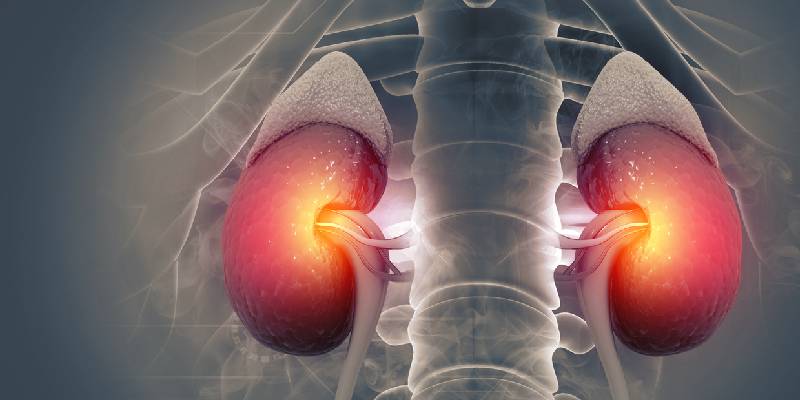
IgA nephropathy (IgAN), a progressive immune-mediated kidney condition, has few approved treatments, but zigakibart may have potential for providing sustained relief. The medication is a humanized monoclonal antibody that targets a proliferation-inducing ligand, which is a cytokine directly involved in the pathogenesis of IgAN.
To investigate the effects in patients with IgAN, Laura Kooienga , MD, and colleagues conducted a study to determine long-term proteinuria remission, serum immunoglobulin levels, changes in galactose-deficient IgA1 (Gd-IgA1), and safety through 124 weeks of treatment. Researchers enrolled 40 adults (70% male; median age of 40 years; 60% White, 33% Asian) who had biopsy-confirmed IgAN, estimated glomerular filtration rate (eGFR) of at least 30 mL/min/1.73 m 2 , and total urinary protein excretion (UPE) of at least 0.5 g/24h or 24-hour urinary protein-to-creatinine ratio of at least 0.5 g/g.
The participants also were taking an optimized/stable dose of a renin-angiotensin system inhibitor (RASi) for at least 3 months before screening, or they were RASi intolerant. All patients received IV zigakibart every 2 weeks at a dose of 450 mg. After the initial treatment, the research team administered 600 mg of zigakibart every 2 weeks subcutaneously for at least 24 weeks to 10 participants (cohort 1).
The researchers administered 600 mg of zigakibart every 2 weeks to 124 participants for up to 124 weeks (cohort 2). Proteinuria remission, evidenced by UPE of less than 0.5 g/24h, was noted in 11.8% of participants at week 4, with an increasing percentage achieving remission criteria over time, reaching 64% at week 124.
Continued suppression of IgA and Gd-IgA1 was noted through week 124, with mean reductions of –77% and –81% from baseline, respectively. Descriptive analyses revealed considerable decreases in Gd-IgA1 in both remission and nonremission groups at every time point. Although the remission group had greater decreases at week 52, the differences between groups reduced over time.
“Zigakibart treatment was associated with increasing and durable proteinuria remission and sustained Gd-IgA1 and IgA suppression through 124 weeks,” the researchers concluded. “Exploratory analyses did not suggest a clear difference in Gd-IgA1 reductions between patients with and without proteinuria remission.” References American Society of Nephrology (ASN) Kidney Week 2026.
Abstract No. FR-OR064.
Article text via FreeNewsAPI. Rights remain with DocWireNews.
Read on publisher site → Opens DocWireNews in a new tab