Africa May Account For 60% Of Hungry People – FAO Ambassador
King Letsie III of Lesotho said that nearly 60 per cent of the world’s chronically undernourished population by 2030 could be living in Africa.King Letsie III, FAO Goodwill Ambassador for Nutrition and...
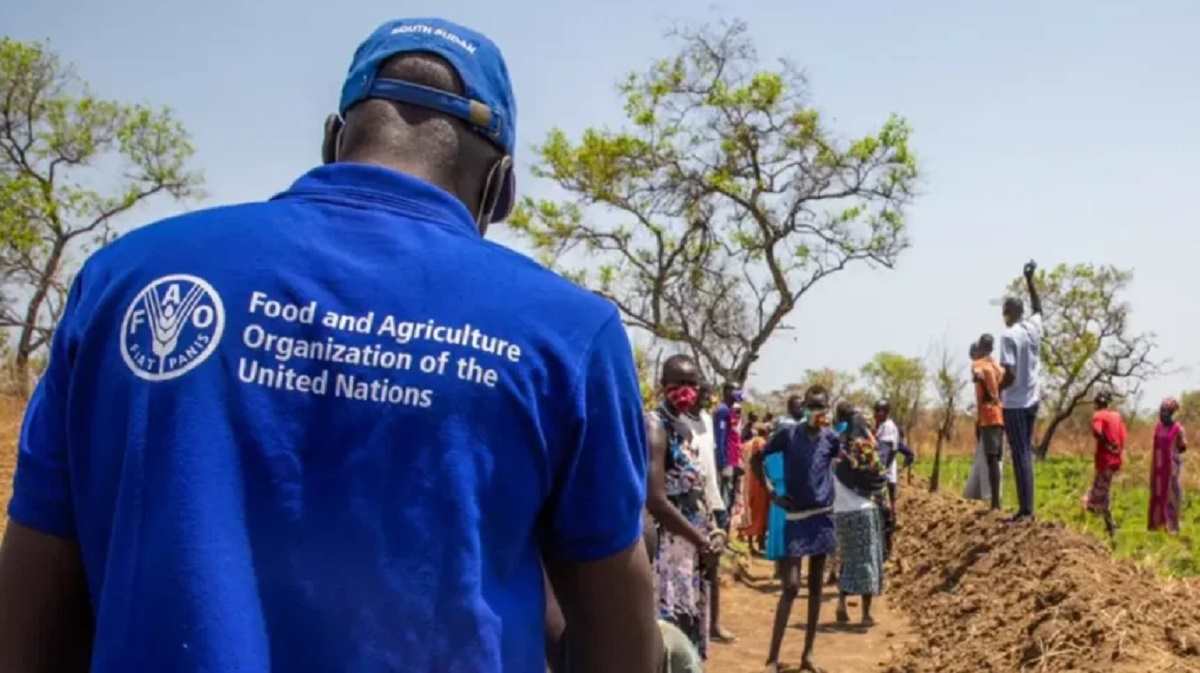
King Letsie III of Lesotho said that nearly 60 per cent of the world’s chronically undernourished population by 2030 could be living in Africa. King Letsie III, FAO Goodwill Ambassador for Nutrition and African Union Nutrition Champion, also said that hunger affects approximately 307 million people in Africa at the moment.
This figure, according to him, represents more than one in five people in Africa. The royal father gave the warning at the 2026 World Food Day ceremony at the Food and Agriculture Organisation (FAO) Headquarters in Rome. The royal father said, “If current trends persist, an estimated 512 million people could be chronically undernourished by 2030, nearly 60 per cent of whom would be living in Africa.” He said the figures underscored the need to accelerate transformative interventions, warning that business-as-usual approaches would not achieve Sustainable Development Goal Two, which seeks to end hunger.
The king said that food security went beyond increasing food production, urging African countries to ensure that diverse, safe and nutritious diets would be available and affordable to all. King Letsie III called for increased investment in indigenous crops and traditional foods, noting that many were nutrient-rich and resilient to heat, drought and irregular rainfall.
“Promoting under-utilised foods could improve diets, conserve biodiversity and support local economic development while creating opportunities for smallholder farmers, women and young entrepreneurs,” he said. The king identified homegrown school feeding programmes as a strategic investment in children’s nutrition, education and local economies.
According to him, sourcing food for school meals from local farmers, cooperatives, women groups and youth-led enterprises can strengthen agricultural value chains and promote inclusive growth. He urged African governments to strengthen nutrition financing, protect school meal budgets, improve food safety laws and hold institutions accountable for commitments to food security.
He also called for greater collaboration among farmers, researchers, universities, policymakers, entrepreneurs and investors to scale up innovative solutions adapted to local conditions. He commended FAO’s partnership with African countries, saying its ‘Four Betters’ framework — tter production, better nutrition, better environment and better life — provided an integrated vision for transforming agri-food systems.
“Innovation should be measured by its impact on hunger, affordability of healthy diets, children’s nutrition, farmers’ incomes, job creation and environmental sustainability. “Together we can build agri-food systems that deliver not only more food but better food, not only growth but shared prosperity,” he said. #Africa May Account for 60% of Hungry People – FAO Ambassador IMF Hikes 2026 Global Economic Growth Estimate to 3.1% Ogochukwu Ndubuisi Ogochukwu Ndubuisi is an editorial content strategist and financial news writer at MarketForces Africa, covering a broad range of topics including Nigeria's equity markets, infrastructure development, energy, government policy, corporate finance, and digital economy.With over 2,400 published articles on MarketForces Africa, Ogochi brings depth and consistency to the publication's daily news coverage.Her reporting spans Nigerian Exchange Group market movements, Lagos State infrastructure projects, and federal government economic policies, oil and gas developments, and emerging sectors shaping Nigeria's economic landscape.She also covers Africa-wide stories, including East African market indices, continental investment trends, and cross-border economic developments.Ogochi works closely with MarketForces Africa's editorial and corporate communications teams to deliver accurate, timely, and well-researched content to the publication's professional readership.Ogochukwu Ndubuisi is based in Lagos, Nigeria.
Article text via FreeNewsAPI. Rights remain with MarketForces Africa.
Read on publisher site → Opens MarketForces Africa in a new tab