Crushed shells could help protect clams, oysters and mussels from ocean acidification
As climate change drives more carbon dioxide into the oceans, seawater is becoming increasingly acidic, a growing threat to shell-building creatures such as clams, oysters, and mussels. Now, researchers at...
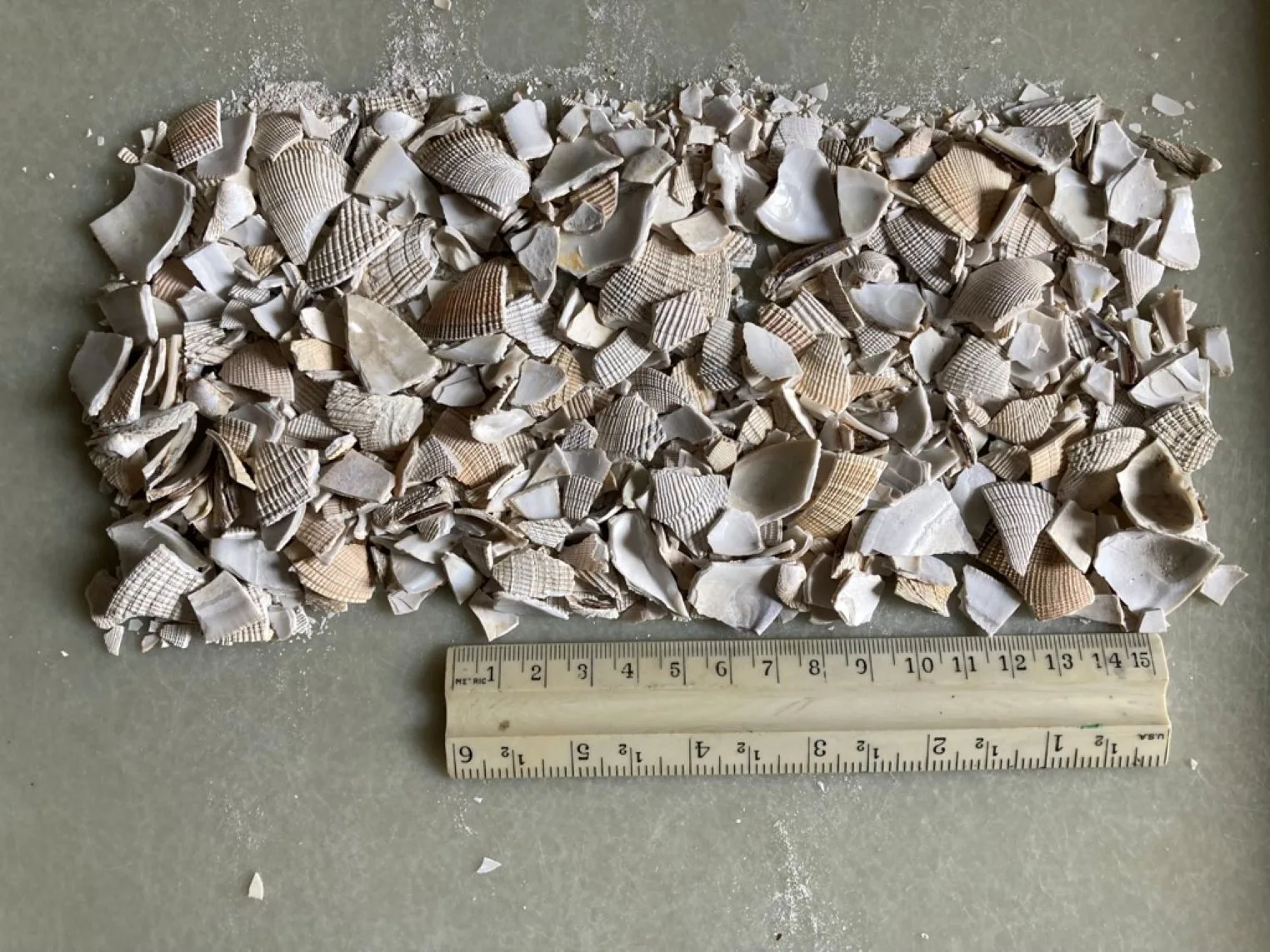
As climate change drives more carbon dioxide into the oceans, seawater is becoming increasingly acidic, a growing threat to shell-building creatures such as clams, oysters, and mussels. Now, researchers at the University of California, Davis have uncovered why a simple practice used for generations by Indigenous communities may help these animals survive.
In a study published in Biogeosciences, scientists found that adding crushed shells, known as shell hash, to beach sediments can reduce local acidity and create conditions that help young clams grow stronger shells. The research not only showed physical benefits for the clams but also revealed something happening at a deeper biological level: shell hash appeared to shield the animals from the genetic stress normally triggered by acidified seawater.
Ocean acidification is caused by ocean water absorbing atmospheric carbon dioxide . When the level of acidity increases, it becomes harder for animals that build shells to do so. In addition to requiring more energy to produce their shells, as the levels of acidity increase, the ocean may start to break down some of the shell materials.
Sea snail shells dissolve in increasingly acidified oceans, study shows Young animals are thought to be especially vulnerable. To investigate whether shell hash could help, researchers raised juvenile Pacific littleneck clams under four different conditions: normal seawater, acidified seawater, normal seawater with shell hash, and acidified seawater with shell hash.
Over 90 days, they monitored water chemistry, measured shell growth, and analyzed gene activity within the clams. The results were striking. “We found that, on average, clams grew larger shells when shell hash was present in their treatment,” said lead author Hannah Kempf, who earned her Ph.D. from UC Davis and now works as an environmental scientist with the California State Water Board.
“Interestingly, we also found that, on a genetic level, the ‘acidification’ signal was dramatically minimized when shell hash was present.” The crushed shells altered the chemistry of the water trapped between sand grains, reducing acidity and creating a more favorable environment for shell formation.
Perhaps even more surprising, clams exposed to acidified seawater but surrounded by shell hash showed gene expression patterns that were nearly indistinguishable from clams living in normal seawater. “Adding crushed shells removed the negative genetic changes that occur when young clams are raised in acidified water,” said co-author David Gold, associate professor of earth and planetary sciences at UC Davis.
The findings provide scientific support for a coastal management practice that Indigenous communities have used for generations. In parts of the Pacific Northwest, shell hash has long been added to clam habitats and intertidal areas to support healthy marine ecosystems. For co-author Tsim Schneider, an anthropologist at UC Santa Cruz, one of the study’s most important contributions is showing how traditional ecological knowledge can guide modern conservation efforts.
Ocean acidity delayed early life formation by 500 million years “For me, one of the interesting aspects of this research is the potential to engage more fully with tribes on designing projects that promote their long-standing expertise and Indigenous science,” Schneider said. “If there’s a history of adding shell hash to clam beds in California, for example, western science might be able to better support communities interested in reawakening dormant cultural knowledge and coastal stewardship practices.” The researchers emphasize that shell hash will not solve global ocean acidification .
However, it may provide a practical way to create local refuges where vulnerable shellfish can better withstand changing conditions. By lowering acidity in the immediate environment surrounding young clams, crushed shells appear to offer both physical and biological protection. The study also represents the first genetic investigation of why the technique works.
“This was the first time the question was studied from a genetic perspective,” Gold said. As coastal communities search for ways to protect marine ecosystems from climate change, the answer may lie, at least in part, in a simple material already present on the shoreline: the broken shells left behind by generations of shellfish.
Journal Reference: Hannah L. Kempf, Alyssa J. Griffin, Gabriel Ng, Tessa M.
Hill, Tsim D. Schneider, Sandra J. Carlson, and David A.
Gold. Shell hash promotes growth in Pacific littleneck clams (Leukoma staminea) by altering pore water chemistry. Biogeosciences.
DOI: 10.5194/bg-23-7627-2026
Article text via FreeNewsAPI. Rights remain with Tech Explorist.
Read on publisher site → Opens Tech Explorist in a new tab