Rain-related disease prevention measures intensified as rains strengthen
T’puram: The district medical office has urged the public to remain vigilant against rain-related diseases, including leptospirosis and mosquito-borne infections, as rainfall intensifies in the district. It...
T’puram: The district medical office has urged the public to remain vigilant against rain-related diseases, including leptospirosis and mosquito-borne infections, as rainfall intensifies in the district. It has called for stepped-up preventive measures, stressing the need to maintain personal hygiene, and keep surroundings clean to prevent the spread of infectious diseases.
Public participation is essential for effectively controlling the spread of diseases, said the district medical office in a statement. People who are required to enter waterlogged areas or contaminated water should take doxycycline tablets as a preventive measure against leptospirosis, strictly as advised by health workers.
The tablets are available free of cost at all healthcare institutions, the statement said. Farmers, MGNREGS workers, sanitation workers, plumbers, painters, construction workers, those who work in waterlogged areas, people who frequently come into contact with animals, and those exposed to contaminated water are at greater risk of contracting the disease.
People working in contaminated water should wear protective gloves and footwear. Those with wounds on their bodies should avoid entering contaminated water or working in soil. Anyone who has to walk through contaminated water should wash their feet thoroughly with soap and clean water as soon as possible.
High fever, headache, muscle pain, particularly in the calf muscles, abdominal pain, vomiting, redness of the eyes and jaundice are among the main symptoms of leptospirosis. Anyone experiencing these symptoms should seek treatment at the nearest health centre without delay. The district medical office has also cautioned against self-medication.
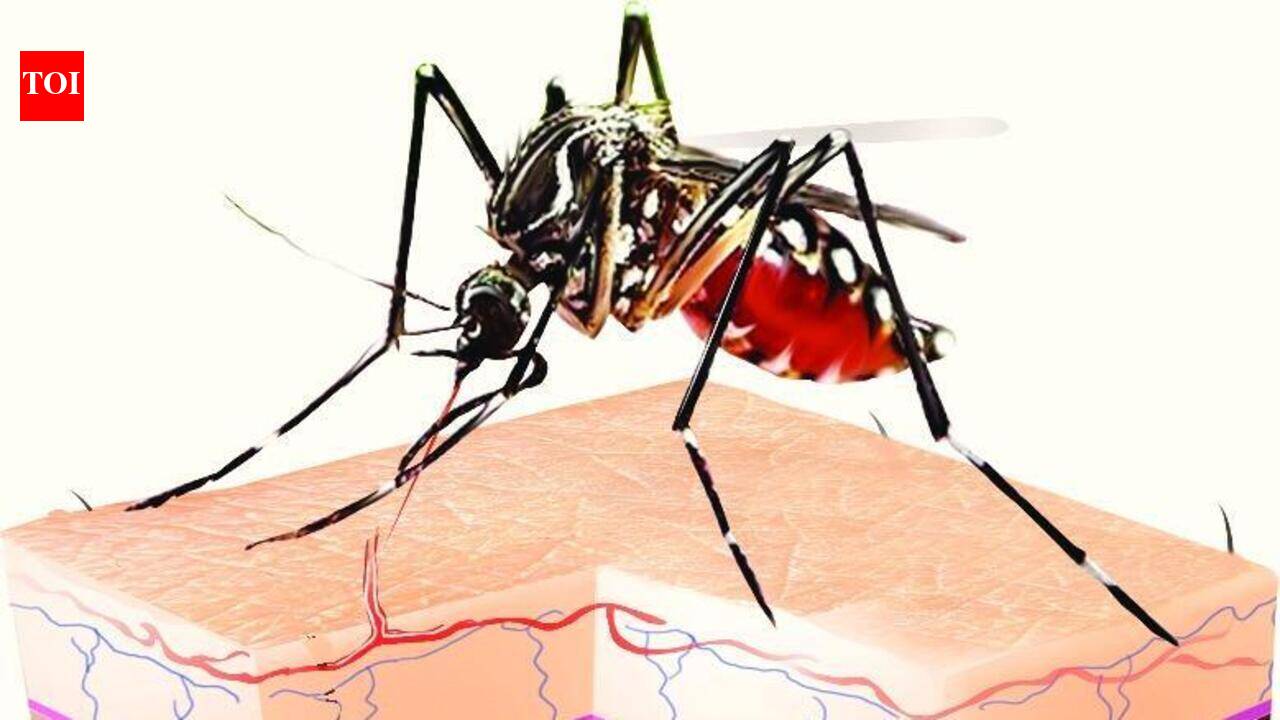
Observe dry days to prevent mosquito-borne diseases Intermittent rainfall can lead to water stagnation, creating breeding grounds for aedes mosquitoes that spread dengue, chikungunya and zika . The health authorities have called for intensified efforts to identify and eliminate mosquito breeding sites.
As part of the preventive drive, dry days should be observed on Fridays in educational institutions, Saturdays at workplaces and Sundays in households. The health department has urged people to inspect their homes and surroundings regularly to ensure that mosquitoes do not breed in stagnant water.
Potential breeding sites include trays behind refrigerators, plates placed beneath flowerpots, unused toilets, water storage tanks, coconut shells, discarded containers and other unused materials that collect rainwater. The district medical office has stressed that eliminating stagnant water and maintaining cleanliness are essential to preventing mosquito breeding and reducing the risk of disease outbreaks during the rainy season.
Article text via FreeNewsAPI. Rights remain with The Times of India.
Read on publisher site → Opens The Times of India in a new tab


