Review highlights EP4 receptor as target for inflammatory diseases
A review published in Genes & Diseases highlights the prostaglandin E2 receptor subtype 4 (EP4) as an important regulator of inflammation and a promising therapeutic target for a wide range of inflammatory and inflammation-related diseases.
A review published in Genes & Diseases highlights the prostaglandin E2 receptor subtype 4 (EP4) as an important regulator of inflammation and a promising therapeutic target for a wide range of inflammatory and inflammation-related diseases. By examining the diverse actions of the PGE2-EP4 signaling pathway, the article demonstrates how targeting this receptor could provide more precise approaches to controlling inflammation.
Inflammation is a vital defense mechanism that helps the body respond to pathogens and harmful stimuli. However, excessive, insufficient or poorly regulated inflammatory responses can contribute to numerous diseases. Prostaglandin E2 (PGE2) is a major lipid mediator involved in inflammation and acts through four receptor subtypes: EP1, EP2, EP3 and EP4.
Among these, EP4 is widely distributed throughout the body and participates in processes including inflammation, pain, blood pressure regulation, water and salt metabolism, tissue repair and tumor development. EP4 can activate several important molecular pathways, including cAMP-PKA, PI3K-AKT, NF-κB and β-arrestin signaling.
This complex signaling network allows the receptor to produce different, and sometimes opposing, effects depending on the type of cell, stage of disease and surrounding biological environment. The article describes the involvement of EP4 in conditions including rheumatoid arthritis, osteoarthritis, inflammatory bowel disease, viral hepatitis, glomerulonephritis, myocarditis, atherosclerosis, inflammatory skin diseases, asthma and cancer.
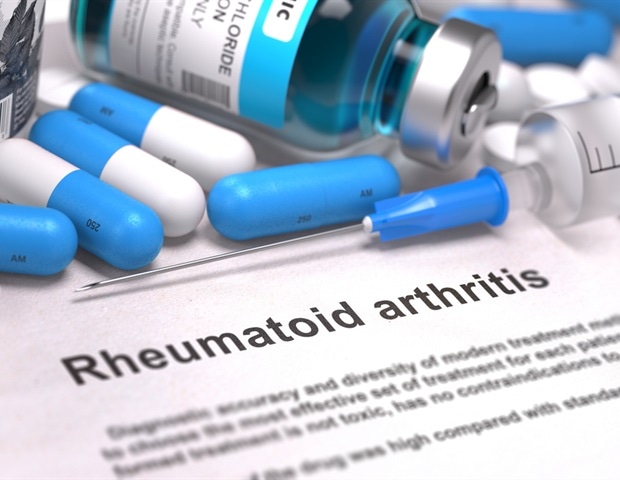
Its contrasting actions are particularly significant. Blocking EP4 may help reduce inflammation and joint damage in rheumatoid arthritis, while activating the receptor may support intestinal mucosal repair in inflammatory bowel disease. In asthma, EP4 activation may provide both anti-inflammatory and bronchodilatory benefits.
Conversely, EP4 signaling can promote harmful immune responses in some inflammatory skin conditions. In cancer, PGE2-EP4 signaling can contribute to an immunosuppressive tumor environment, potentially weakening the immune system's ability to attack malignant cells. Several EP4 antagonists have already progressed into clinical trials for solid tumors, including combinations with immunotherapies.
These contrasting effects underline the importance of precision targeting. Conventional non-steroidal anti-inflammatory drugs (NSAIDs) broadly reduce prostaglandin production and can produce unwanted effects in some conditions. Selectively activating or inhibiting EP4 could offer a more focused alternative.
Understanding exactly when and where EP4 should be stimulated or blocked could ultimately support safer, more targeted treatments for inflammatory diseases while opening new therapeutic possibilities across multiple areas of medicine. Source: Journal reference: Shuxuan Li, Tong Wang, Anran Niu, Yuyan Du, Dong Zhou, Liang Gao, Haining Zhou, Shengnan Du, The update of prostaglandin E2 receptor subtype 4 (EP4) in inflammatory diseases, Genes & Diseases, Volume 13, Issue 6, 2026, 102169, https://doi.org/10.1016/j.gendis.2026.102169 Suggested Reading Terms While we only use edited and approved content for Azthena answers, it may on occasions provide incorrect responses.
Please confirm any data provided with the related suppliers or authors. We do not provide medical advice, if you search for medical information you must always consult a medical professional before acting on any information provided. Your questions, but not your email details will be shared with OpenAI and retained for 30 days in accordance with their privacy principles.
Please do not ask questions that use sensitive or confidential information. Read the full Terms & Conditions .
Article text via FreeNewsAPI. Rights remain with News-Medical.
Read on publisher site → Opens News-Medical in a new tab