New immune aging map helps decode future chronic disease risks
While birthday candles measure the number of years someone has lived, they don't always tell the full story about someone's health. Two people born on the same day can have immune systems that age...
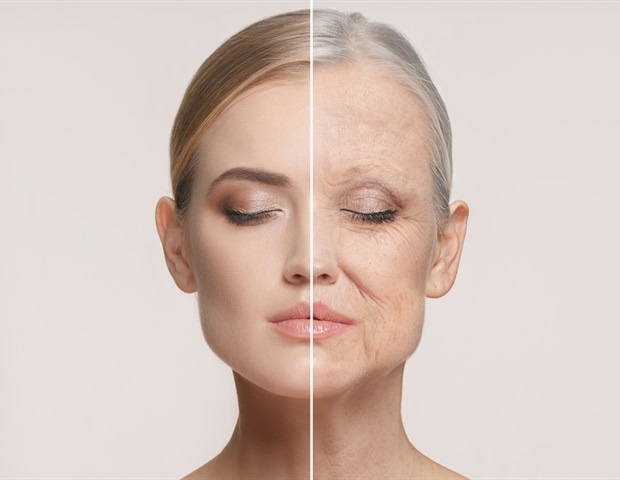
While birthday candles measure the number of years someone has lived, they don't always tell the full story about someone's health. Two people born on the same day can have immune systems that age differently, leaving some older adults with resilient defense systems and others with dysfunctional immune systems that increase their risk for age-related diseases.
A study led by researchers at Washington University School of Medicine in St. Louis, Nationwide Children's Hospital in Ohio and King's College London in the United Kingdom has created a map of human immune aging that helps decode these different trajectories. The findings, published Oct.
9 in Immunity , show that a ratio between two immune cell types can reveal whether someone stays healthy or may face risk of future disease. We have found that there are clues in the blood that can tell us whether someone is on a healthy or unhealthy aging trajectory. Identifying specific biological red flags in the immune system could pave the way for early-warning tests that spot disease risks years before a clinical diagnosis." Maxim N.
Artyomov, PhD, co-corresponding author, the Alumni Endowed Professor of Pathology and Immunology at WashU Medicine Mapping the spectrum of immune aging The researchers, including co-corresponding authors Stephen Harridge, PhD, a professor of human and applied physiology at King's College London, and Mykyta Artomov, PhD, an assistant professor at the Institute for Genomic Medicine at Nationwide Children's Hospital, set out to understand how people's immune systems age.
They analyzed approximately 12.4 million individual immune cells from the blood of 2,609 mainly healthy adults ages 20 to 90-plus across eight cohorts in North America, the United Kingdom, Asia and Australia. They found that while the blood of younger people was uniformly enriched with naive immune cells that haven't been exposed to specific pathogens yet and remain adaptable to new infections or vaccines, older immune systems were more diverse.
Specifically, some older participants had a greater abundance of immune cells that reflect inflammation . To map this shift, the researchers placed each participant on a spectrum based on the ratio between two types of white blood cells: granzyme B-producing cells and granzyme K-producing cells.
Continue reading
Watch a short ad to unlock the full article
The rest stays locked if you skip or close the ad early.
Granzymes are molecular weapons used by some white blood cells, known as effector memory CD8 T cells , to destroy target cells or coordinate immune responses. While granzyme B-producing cells serve as direct destroyers of diseased cells, granzyme K-producing cells have been less studied and may play a role in sounding alarms that call in immune backup.
The researchers then asked: could a healthy person's position on the spectrum dictate their risk of getting sick? That is, could having more of one type of CD8 T cell than the other determine a person's future health as they age? Related Stories Human dental pulp stem cell secretome boosts stroke recovery Fontan circulation linked to accelerated biological aging in youth New BCR analysis method tracks immune recovery after stem cell transplantation The team turned to UK Biobank , a massive database that tracked 500,000 initially healthy participants aged 40-69 years from across the UK and their every medical event for up to 15 years.
The dataset also included information about hundreds of floating proteins in the blood of participants. But because UK Biobank data lacked counts of CD8 T cells, the researchers used a smaller dataset of seemingly healthy adults that included CD8 T cell counts and blood proteins to create a computer model to map out the protein tracks left behind when either granzyme B-producing or granzyme K-producing cells dominated.
The researchers applied this model to the baseline blood protein samples of 50,000 participants from the UK Biobank, calculating their position on the immune cell spectrum. The 15 years of medical health history revealed that healthy adults whose immune system leaned heavily toward granzyme B cells at baseline tipped the scale toward a higher risk of death a decade later compared to those with more granzyme K cells.
The granzyme B-dominant group also was more likely to develop chronic conditions, including Type 2 diabetes, hypertension, liver disease and renal failure, among others, over the following decade. "A higher level of granzyme B cells in a healthy state means the immune system might be already reacting to something," said coauthor Marina Terekhova, MD, an instructor in Pathology & Immunology at WashU Medicine.
"It isn't a formal disease diagnosis, but it may indicate the body is off track." A healthy immune system gradually shifts toward granzyme K cells over time, while an immune system that leans toward granzyme B cells signals unhealthy aging. Because individuals can reach this granzyme B state much earlier in life, their immune systems age on different trajectories, explaining why two people born in the exact same year can face different risks for chronic disease and death decades later.
Early-warning diagnostics Mapping patients onto the immune aging spectrum today would require complex and costly specialized technology. Artyomov and his lab are adapting their research into a simple blood test that can be processed using standard equipment. An affordable, everyday diagnostic tool could make early immune health monitoring a routine part of preventive care.
"We can think of it like checking a car's oil level before the check engine light ever turns on," said Artyomov. "Our goal is to develop an early-warning diagnostic that alerts physicians to subclinical immune stress, prompting more specialized testing that could allow for intervention long before chronic disease symptoms appear." Source: Journal reference: Terekhova, M., et al . (2026).
Single-cell analyses of global cohorts outline determinants of immune aging and link the ratio of GZMK+ to GZMB+ Tem cells to health trajectories. Immunity . DOI: 10.1016/j.immuni.2026.09.012. https://www.cell.com/immunity/fulltext/S1074-7613(26)00387-0
Article text via FreeNewsAPI. Rights remain with News-Medical.
Read on publisher site → Opens News-Medical in a new tab