Skies across the UK illuminated by the northern lights
The northern lights illuminated the skies across the UK on Friday and Saturday evening.Sky-gazers as far south as Devon, Hampshire and Kent were treated to the dazzling natural phenomenon, also known as the...

The northern lights illuminated the skies across the UK on Friday and Saturday evening. Sky-gazers as far south as Devon, Hampshire and Kent were treated to the dazzling natural phenomenon, also known as the aurora borealis. The Met Office said sightings could continue during clear skies until Tuesday.
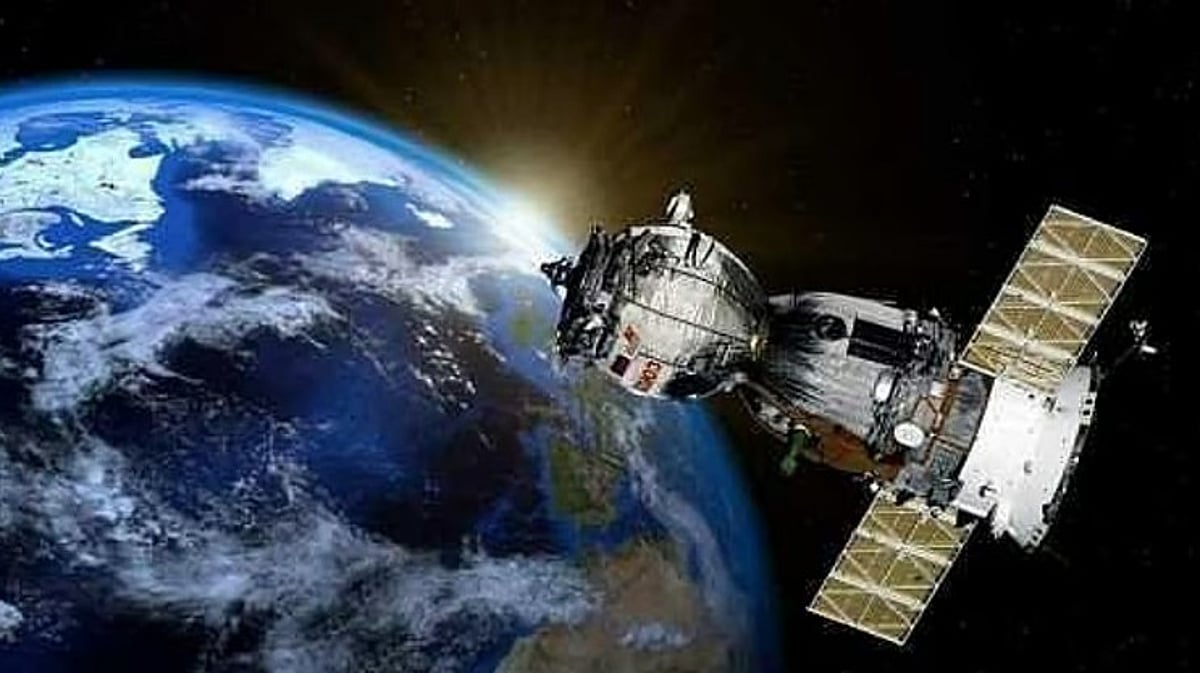
Spectacular aurora captured from space by Russian cosmonaut – video Such occurrences are mostly visible near the Arctic Circle and northern Scotland. The aurora borealis is a natural light display in Earth’s sky, driven by solar activity and geomagnetic storms interacting with the upper atmosphere.
Sightings will remain possible until Tuesday across Scotland and similar geomagnetic longitudes during clear skies, the Met Office said. Aurora displays occur when charged particles collide with gases in the Earth’s atmosphere around the magnetic poles. As they collide, light is emitted at various wavelengths, creating colourful displays in the sky.
According to the Met Office, the sun emits charged particles known as solar wind, which travel at bout 1m mph. The forecaster said: “When these particles interact with Earth’s magnetic field – especially when the solar wind’s polarity is opposite to Earth’s – they are funnelled toward the magnetic poles.
“As these energetic particles collide with gases in the upper atmosphere, they release energy in the form of light. Oxygen produces green and, at higher altitudes, rare red auroras, while nitrogen creates blue and purple hues.” Last year, experts said 2026 will be a peak year for aurora-spotting, as the sun has been in a heightened state of activity as part of its 11-year natural cycle.
Article text via FreeNewsAPI. Rights remain with The Guardian.
Read on publisher site → Opens The Guardian in a new tab