Stroke sensor gives doctors window into brain
A breakthrough graphene-based brain sensor could help doctors watch the hidden damage unfolding during a stroke in real time, offering new hope of preventing devastating brain injuries before they become irreversible.The ultra-sensitive monitoring technology reveals how different parts of the brain respond during a stroke, potentially allowing d...
A breakthrough graphene-based brain sensor could help doctors watch the hidden damage unfolding during a stroke in real time, offering new hope of preventing devastating brain injuries before they become irreversible. The ultra-sensitive monitoring technology reveals how different parts of the brain respond during a stroke, potentially allowing doctors to identify which areas can still be saved and which are at greatest risk of further harm.
The study in mice, published in Brain , brought together researchers from The University of Manchester, the Institute of Microelectronics of Barcelona (IMB-CNM, CSIC), the Catalan Institute of Nanoscience and Nanotechnology (ICN2), and industry partner Multi Channel Systems in Germany.
Ischaemic Stroke is one of the leading causes of death and disability worldwide and occurs when a blockage cuts off blood supply to part of the brain. But scientists say the initial loss of blood flow is only part of the story, because a second wave of damage can spread through surrounding tissue in the hours that follow.
These waves, known as cortical spreading depolarizations, are bursts of abnormal electrical activity that travel through injured brain tissue and can contribute to the expansion of the original injury. Until now, researchers have struggled to study the signals accurately because conventional monitoring technologies cannot reliably capture the extremely slow electrical changes involved.
Continue reading
Watch a short ad to unlock the full article
The rest stays locked if you skip or close the ad early.
However, using advanced graphene-based sensors placed directly on the brains of mice, the team recorded these events in unprecedented detail, revealing signals that are poorly captured by conventional recording technologies and whose significance has therefore not been fully appreciated.
The researchers found that the shape and characteristics of the electrical signals acted as a fingerprint for the health of nearby brain tissue. The signals were able to distinguish between tissue that remained relatively healthy, tissue that was vulnerable and potentially recoverable, and tissue that had already suffered severe damage.
Crucially, the technology also revealed how blood vessels responded when these electrical waves passed through the brain. In healthier areas, blood flow increased to support recovery, while in more vulnerable regions blood flow sometimes fell even further, increasing the risk of lasting damage.
The team then demonstrated that these harmful responses could be modified using low doses of ketamine, a drug already widely used in clinical practice. Ketamine shortened the duration of damaging electrical events, improved blood flow responses and reduced the overall size of brain injuries in the study.
Lead author Dr Samuel Flaherty from the University of Manchester added: “This work raises the prospect that graphene-based brain monitoring could one day provide doctors with a real-time map of brain vulnerability during stroke. “This could helping them target treatments to patients most at risk and ultimately improve recovery and long-term outcomes.” Co-author Dr Rob Wykes, from The University of Manchester and UCL Queen Square Institute of Neurology, said: “For the first time, we have been able to see critical stroke-related brain signals with a level of detail that was previously impossible to achieve.
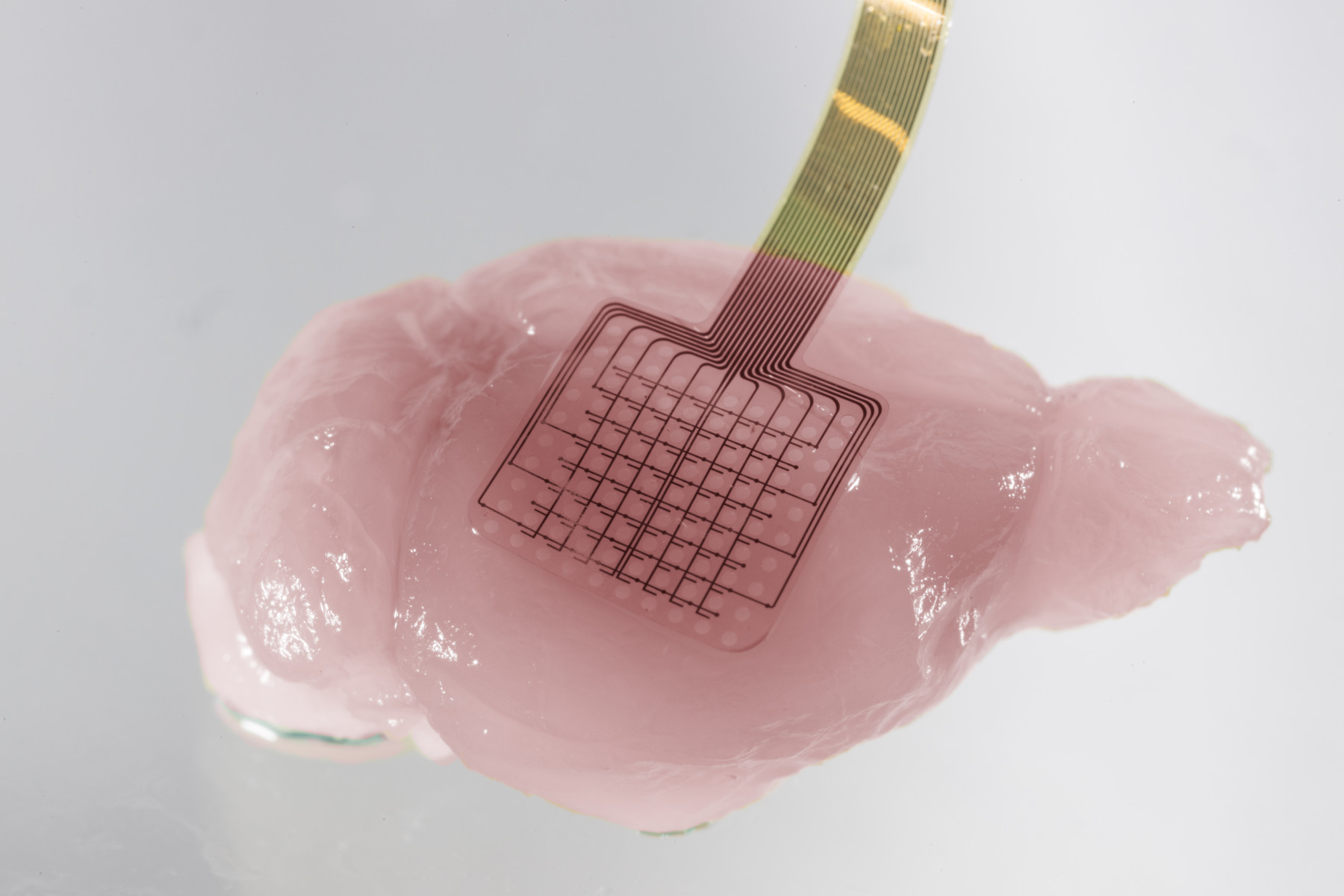
“What is particularly exciting is that the signals tell us about the condition of the surrounding brain tissue and how likely it is to deteriorate further. Co-author Dr Anton Guimerà-Brunet from IMB-CNM, CSIC said: “This study opens up the possibility of monitoring injury as it happens and identifying opportunities for intervention when treatment could make the greatest difference.” ·The paper “Perfusion-dependent spreading depolarization signatures identify tissue vulnerability in stroke”, is published in Brain DOI: 10.1093/brain/awag305 Image depicts the graphene-based brain sensor on a mouse's brain
Article text via FreeNewsAPI. Rights remain with The University of Manchester.
Read on publisher site → Opens The University of Manchester in a new tab