How AI Helped One Family Navigate a Complex Medical Journey
On October 8 in Albuquerque, at the second annual summit hosted by New Mexico-based HealthInno, a health tech studio and statewide health innovation network, thought leaders, medical professionals, business...
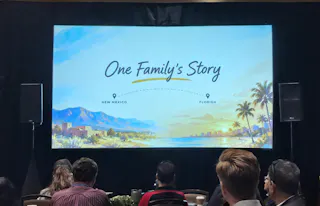
On October 8 in Albuquerque, at the second annual summit hosted by New Mexico-based HealthInno, a health tech studio and statewide health innovation network, thought leaders, medical professionals, business executives, and subject matter experts gathered to discuss and learn about artificial intelligence (AI) in healthcare and the future of healthcare innovation.
After the opening remarks, Stefany Goradia, advisor at HealthInno and head of Population Health & Data at the UNM Center for Health Policy, shared her family’s healthcare journey with the audience and the points where it broke down. She asked the audience to keep this story in mind throughout the day as they learned about health AI and innovation.
Pietje Kobus-McAllister Stefany Goradia, advisor at HealthInno and head of Population Health & Data at the UNM Center for Health Policy, addresses the audience at HealthInno's second annual summit in Albuquerque, New Mexico After Goradia’s father was hospitalized with sepsis, heart complications, and kidney problems, his family began collecting lab results, medical records, medication changes, and home monitoring data.
They turned to AI to translate medical information into plain language, build timelines of symptoms and medication changes, and identify potential patterns in his condition. The family effectively created its own informal health information exchange (HIE), combining information from patient portal records, blood pressure logs, heart-rate monitoring, and other sources.
Yet finding reliable remote monitoring technology proved difficult, and his wife struggled to determine when symptoms warranted contacting clinicians or returning to the hospital. The experience highlights a gap in healthcare technology: patients and caregivers may have access to substantial amounts of data without having the tools or clinical support needed to make that information actionable.
Goradia emphasized that the problem was not necessarily poor medical care or a lack of information. Rather, it was the difficulty in understanding how multiple conditions, treatments and symptoms interacted outside the hospital. As healthcare organizations explore AI, remote patient monitoring, and digital health tools, the story highlights that innovation should address patients' and caregivers' needs, not simply generate more data.
Better integration of health information, clearer communication between visits, and accessible clinical guidance could help families navigate complex care more safely.
Article text via FreeNewsAPI. Rights remain with HCI Innovation Group.
Read on publisher site → Opens HCI Innovation Group in a new tab